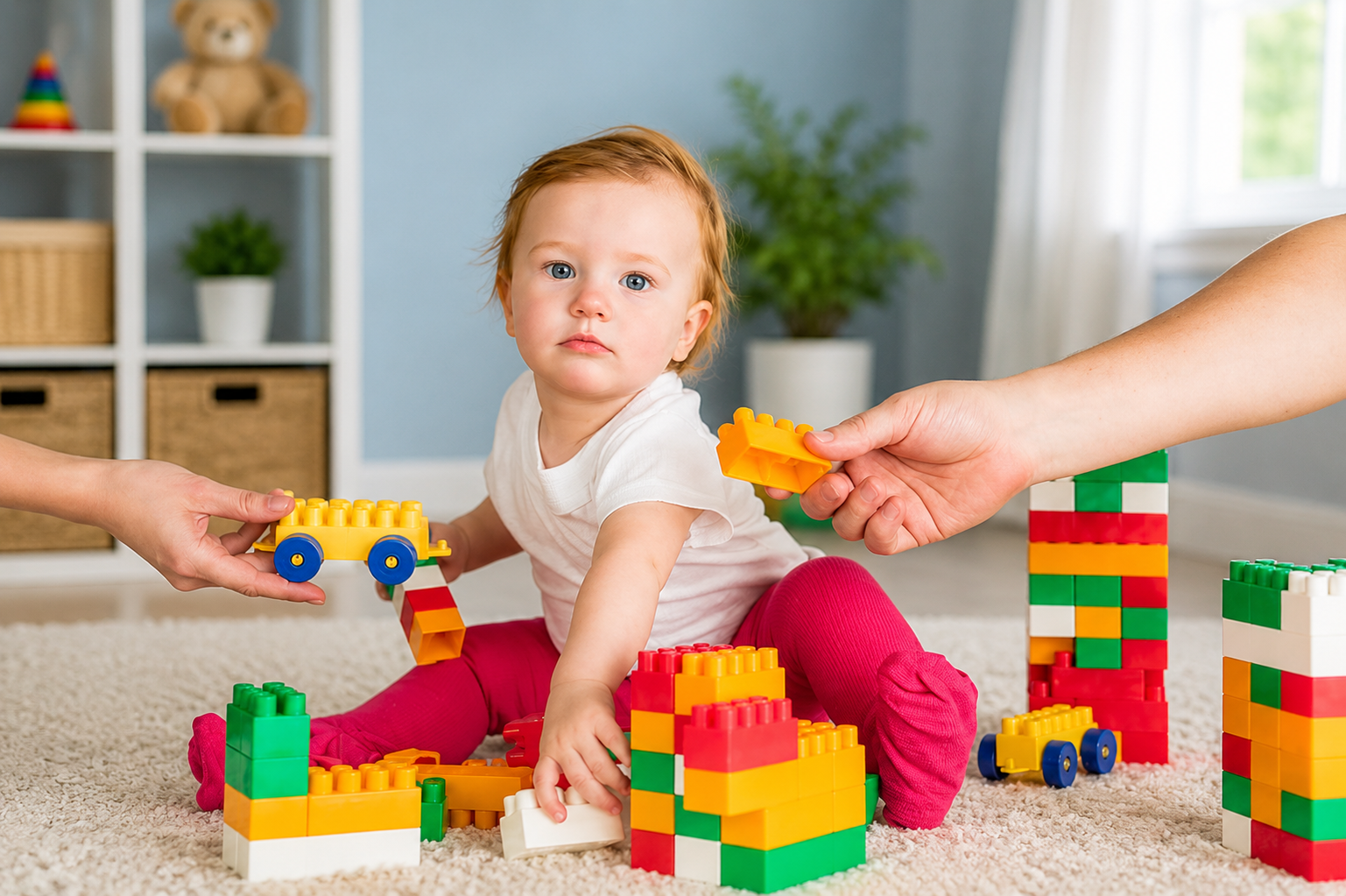
Choosing the right baby toys can feel surprisingly difficult. There are thousands of options available, from colourful rattles and soft plush toys to activity centres, stacking cups, sensory toys, and interactive learning products. While almost every toy promises fun and development, parents often want to know which baby toys are actually useful, safe, and worth buying.
The truth is that babies do not need an enormous collection of expensive toys. At an early age, babies learn through touching, looking, listening, moving, and repeating simple actions. The best baby toys are usually the ones that encourage natural curiosity and give babies a safe way to explore the world around them.
A well-chosen toy can support physical movement, sensory development, hand-eye coordination, early problem-solving, and social interaction. This guide explores the different types of baby toys, their benefits, important safety considerations, and practical tips to help parents choose toys that are both enjoyable and useful.
Why Baby Toys Are Important for Development
Baby toys are not just designed to keep children entertained. During the first years of life, babies are constantly discovering new things, and play is an important part of that process. When a baby reaches for a toy, shakes it, drops it, or tries to put pieces together, they are learning through direct experience.
Many baby toys can support physical development. Toys that encourage grabbing and holding can help strengthen small hand muscles, while balls and moving toys can motivate babies to reach, roll, crawl, or move. These simple activities gradually help develop coordination and control.
Baby toys can also introduce early problem-solving. For example, a baby may discover that shaking a rattle creates sound or that pressing a button produces music. These experiences help children understand cause and effect. Even the simplest toy can become a small learning opportunity when a baby is allowed to explore it freely.
Different Types of Baby Toys
There are many different types of baby toys, and each one can offer a different kind of play experience. Some toys focus on sensory exploration, while others encourage movement, creativity, or problem-solving. A balanced collection does not need to be large, but having different types of toys can keep playtime interesting.
Sensory toys are popular because they introduce babies to different sounds, textures, colours, and movements. Soft textured toys, rattles, activity mats, and toys with gentle sounds can capture a baby’s attention and encourage exploration.
Other baby toys focus more on physical activity and coordination. Balls, stacking cups, building blocks, shape sorters, and push toys can encourage babies to use their hands and bodies in different ways. As children grow, these toys may remain useful because they can be played with at different developmental stages.
Choosing Baby Toys Based on Age
Age is one of the most important factors when selecting baby toys. A toy that is suitable for a newborn may not be interesting for an older baby, while toys designed for toddlers may include features or small parts that are not appropriate for younger children.
For newborns, simple baby toys are usually the best choice. Babies are still developing their vision and becoming familiar with sounds and movement. Soft toys, gentle rattles, high-contrast objects, and visually interesting activity mats can provide appropriate stimulation without overwhelming them.
As babies become older and more active, they often enjoy toys they can grab, shake, roll, stack, or move. Older babies may become interested in shape sorters, stacking toys, balls, and activity toys. Choosing age-appropriate baby toys helps ensure that play remains both safe and engaging.
Sensory Baby Toys for Curious Minds
Sensory baby toys are designed to encourage babies to explore through their senses. These toys may have different textures, gentle sounds, interesting shapes, or bright colours. Since babies learn so much by touching and observing, sensory play can be an enjoyable part of everyday development.
Texture can be especially interesting for young babies. A soft fabric toy feels completely different from a smooth ball or a textured teether. Exploring these differences helps babies become more aware of the objects around them and encourages them to use their hands.
Sound is another important element. Rattles and musical baby toys can teach babies that their actions create results. When they shake a toy and hear a sound, they begin to understand that movement can cause something to happen. This simple discovery can be both entertaining and educational.
Educational Baby Toys That Make Learning Fun
Educational baby toys do not have to be complicated. In fact, many of the most useful learning toys are simple enough to allow babies to experiment without needing instructions. A toy does not need flashing lights or advanced technology to help a child learn.
Building blocks are a perfect example. A young baby may first enjoy holding, touching, or knocking over blocks. As they grow, they may begin stacking them and experimenting with balance. Eventually, blocks can encourage creativity and imaginative play.
Shape sorters and stacking toys are also excellent educational baby toys. They can introduce basic ideas such as shape, size, colour, and space. Babies may not understand these concepts immediately, but repeated play allows them to gradually learn through experience.
Soft Baby Toys for Comfort and Entertainment
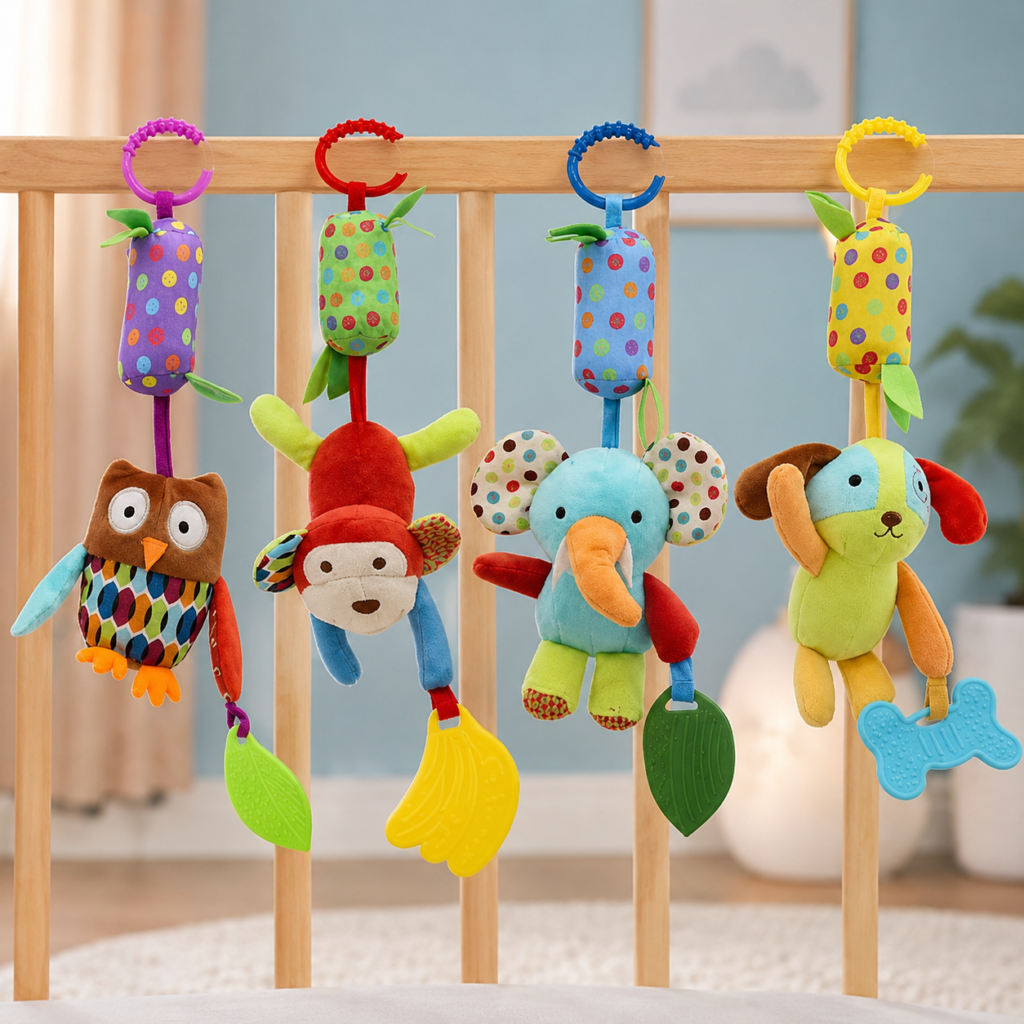
Soft baby toys are often among the first toys parents buy. Plush animals, fabric dolls, soft books, and other gentle toys can provide comfort while also encouraging play. Their soft materials can make them easy for babies to hold and explore.
Some babies become emotionally attached to a particular soft toy. A familiar teddy bear or comfort toy may become part of a bedtime routine or help a child feel more comfortable in a new environment. This can make a simple toy feel especially important.
However, parents should always check soft baby toys carefully. Loose buttons, detachable decorations, damaged stitching, or small accessories can create safety concerns. Toys should be appropriate for the child’s age and regularly inspected for signs of wear or damage.
Baby Toys That Encourage Movement and Activity
As babies grow, they become increasingly interested in movement. They want to reach for objects, crawl toward interesting things, pull themselves up, and eventually begin walking. The right baby toys can encourage this natural desire to move and explore.
Balls are among the simplest toys for encouraging movement. Babies may reach for them, roll them across the floor, or crawl after them. A parent can also roll a ball toward a baby, creating an opportunity for interaction and early social play.
For babies who are developing standing and walking skills, age-appropriate push toys can provide an interesting activity. However, supervision remains important. The toy should be stable, designed for the child’s stage of development, and used in a safe environment.
The Importance of Safe Baby Toys
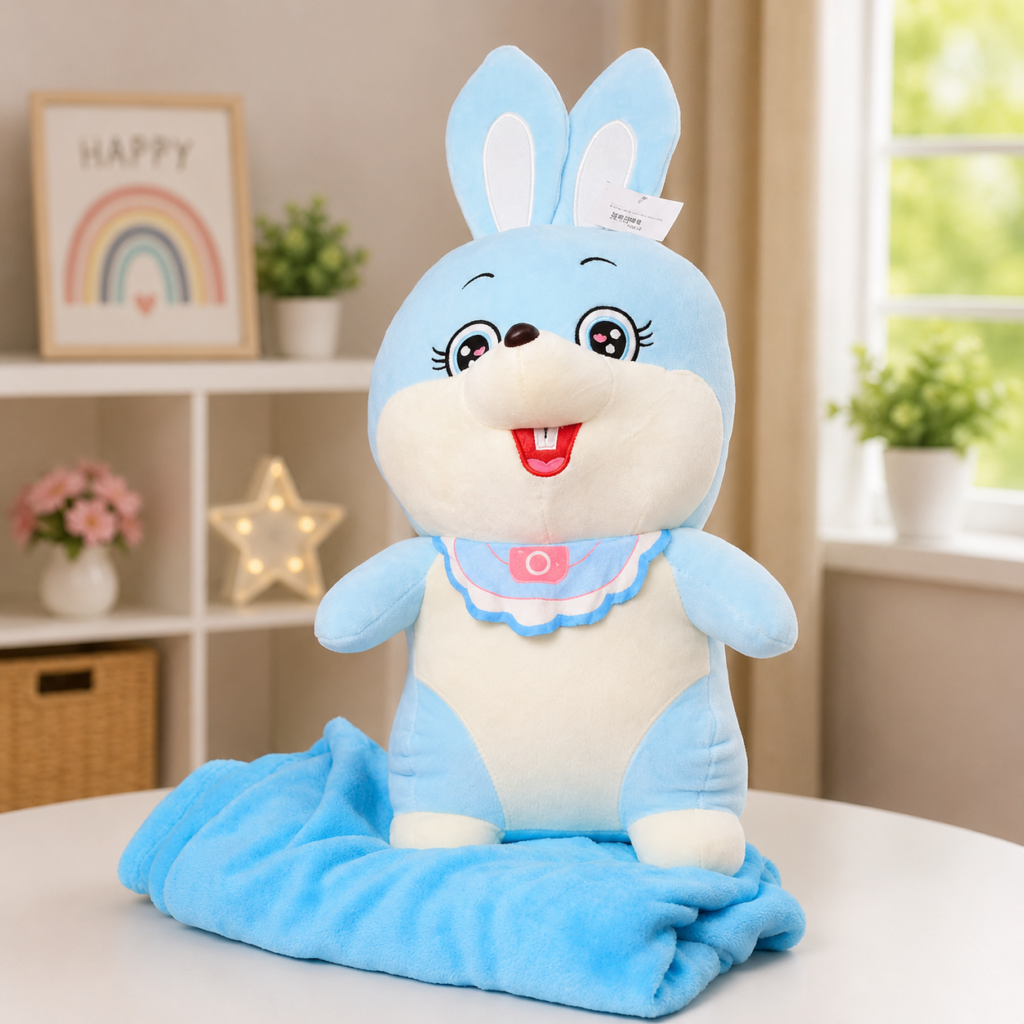
Safety should always come before appearance, popularity, or price when buying baby toys. Babies explore objects in unpredictable ways. They may chew, throw, pull, drop, or repeatedly shake their toys, so products should be durable and appropriate for their age.
Parents should always pay attention to recommended age ranges and safety information. Toys made for older children may contain small parts or features that are unsuitable for babies. Choosing the correct toy for the child’s developmental stage can reduce unnecessary risks.
Regular toy checks are also a good habit. Broken plastic, loose pieces, exposed battery compartments, damaged stitching, and worn materials should not be ignored. Inspecting baby toys regularly and removing damaged items can help create a safer play environment.
Simple Baby Toys vs Expensive Toys
Expensive toys are not automatically better for babies. Some of the most entertaining and useful baby toys are surprisingly simple. A set of stacking cups, soft blocks, or colourful balls can provide many different ways to play.
Simple toys often encourage more creativity because there is no single correct way to use them. A baby can stack cups, knock them down, carry them around, or place objects inside them. This type of open-ended play can remain interesting as a child’s abilities develop.
Parents also do not need to buy everything at once. A smaller collection of high-quality, age-appropriate baby toys can be more useful than a room filled with products that are rarely used. Rotating toys occasionally can also make old favourites feel exciting again.
How Baby Toys Improve Parent and Baby Interaction
Baby toys can create excellent opportunities for parents and caregivers to spend meaningful time with children. Play does not always need to be independent. Rolling a ball, stacking blocks, reading a fabric book, or shaking a rattle together can create simple but valuable moments of interaction.
Talking during playtime can also make the experience more educational. Parents can describe colours, shapes, sounds, and movements. Even when a baby cannot respond with words, listening to language and observing facial expressions can support early communication development.
Interaction also helps babies feel encouraged. Smiling, clapping, and responding when a baby successfully completes a small task can build confidence. Sometimes the most valuable part of baby toys is not the toy itself but the conversations and shared experiences they create.
Are Electronic Baby Toys Worth Buying?
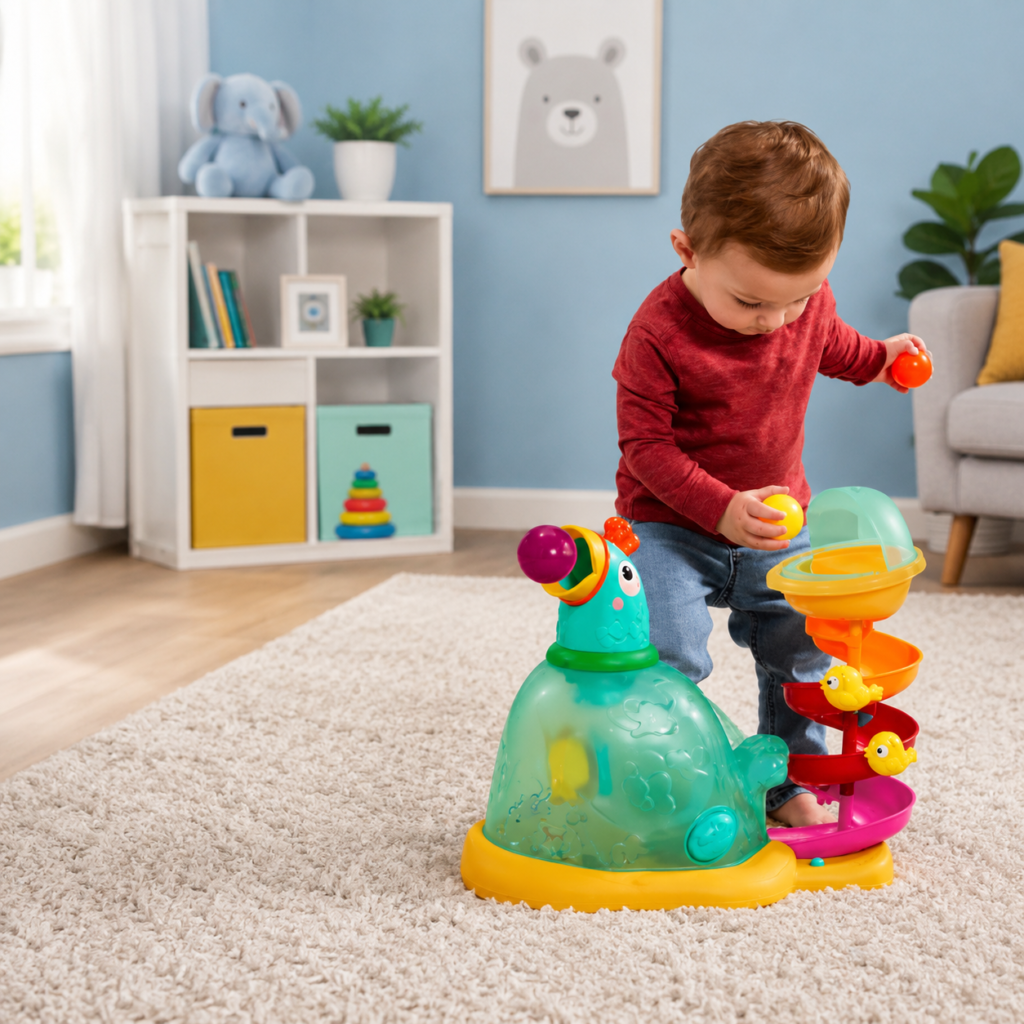
Electronic baby toys can be entertaining and may include music, lights, buttons, sounds, and interactive activities. Some parents enjoy these toys because they can quickly capture a baby’s attention and introduce different sounds or simple words.
However, electronic toys are not necessary for a baby’s healthy development. Babies can learn just as much from simple activities such as stacking blocks, rolling balls, exploring textures, and interacting with parents or caregivers.
A balanced approach is often the best option. Electronic baby toys can be part of a toy collection, but they should not replace quieter, hands-on play. A mixture of simple, sensory, physical, and interactive toys can give babies a wider range of experiences.
How to Choose the Best Baby Toys
When choosing baby toys, parents should first consider the child’s age and current abilities. A toy should be challenging enough to encourage curiosity but not so difficult that it creates frustration or goes unused.
Safety should be the next priority. Check the toy’s recommended age, materials, size, construction, and whether any parts could become loose. Durable, well-made toys are often a better choice than products that may break quickly after regular use.
It is also helpful to think about the type of play a toy encourages. Does it support movement, sensory exploration, creativity, coordination, or parent-child interaction? Choosing different types of baby toys can create a balanced and enjoyable play environment.
Final Thoughts on Baby Toys
The best baby toys are not necessarily the biggest, most expensive, or most technologically advanced. A useful toy is one that is safe, suitable for the baby’s age, and interesting enough to encourage exploration and play.
From soft toys and rattles to stacking blocks, sensory toys, and activity sets, every type of toy can offer a different experience. The goal is not to give babies every available toy but to provide a thoughtful selection that supports their changing interests and abilities.
Parents should remember that toys work best when combined with interaction, attention, and a safe environment. Playing together, talking, laughing, and allowing babies to explore at their own pace can make even simple baby toys meaningful.
Ultimately, choosing the right baby toys is about supporting curiosity, development, and enjoyment. By focusing on safety, age-appropriateness, quality, and different types of play, parents can build a toy collection that keeps babies engaged while supporting important early learning experiences.
You May Read More
7 Amazing Things About Harry Kane Wife You Didn’t Know
Jude Bellingham Girlfriend: A Look at the Football Star’s Dating Life and Personal World
India National Cricket Team vs Afghanistan National Cricket Team Match Scorecard