Whether you are stepping into a boxing gym for the first time or preparing for serious training, having the right boxing gloves can make a noticeable difference. Gloves are not just about appearance. The right pair can improve comfort, protect your hands and wrists, and make training sessions more enjoyable.
There are many different types of gloves available, and choosing between them can be confusing. Some are designed for heavy-bag workouts, while others are made for sparring, competition, or general training. Size, weight, material, wrist support, padding and fit all matter when making a decision.
This guide explains everything beginners and regular boxers should know before buying a pair. From understanding glove weights to choosing the right style for your training, here is a practical breakdown.
What Are Boxing Gloves?
Boxing gloves are protective equipment designed to cushion the hands and reduce the impact of punches during training and competition. They contain layers of padding around the knuckles and usually include wrist support to help keep the hand stable.
Modern designs are available in different weights and materials. Traditional leather gloves are popular among experienced boxers because of their durability, while synthetic options can be more affordable for beginners.
A good pair should feel secure without being painfully tight. Your fingers should sit comfortably inside the glove, and your wrist should receive adequate support. Wearing hand wraps underneath is also common because wraps provide an additional layer of protection.
9 Types of Boxing Gloves You Should Know
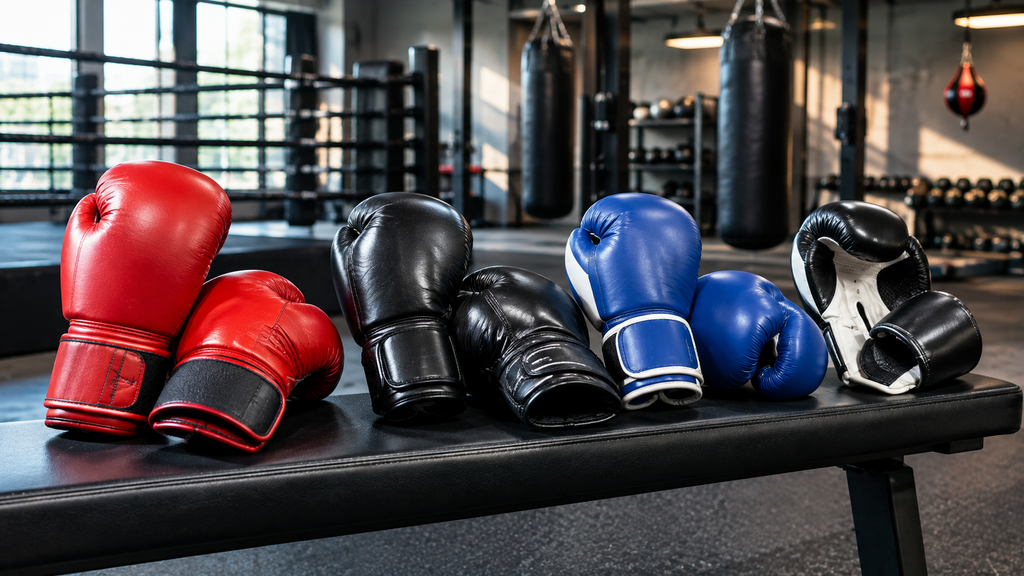
Not every glove is designed for the same purpose. Understanding the main types can help you avoid buying equipment that does not suit your training.
| Type | Main Use | Best For |
| Training gloves | General workouts | Beginners and regular training |
| Bag gloves | Heavy-bag workouts | Bag work |
| Sparring gloves | Partner training | Sparring sessions |
| Competition gloves | Official bouts | Competitive boxers |
| Muay Thai gloves | Striking and clinching | Muay Thai training |
| Amateur gloves | Amateur competition | Amateur fighters |
| Professional gloves | Professional fights | Experienced competitors |
| Hybrid gloves | Multiple activities | Versatile training |
| Fitness gloves | Light workouts | Casual fitness users |
Choosing the correct type is important because padding and construction can vary considerably between different designs.
1. Training Boxing Gloves
Training gloves are among the most versatile options available. They are designed to handle different types of workouts, including pad work, bag training and general boxing exercises.
For beginners, training gloves can be a practical starting point because they can be used for several activities. Instead of purchasing separate gloves immediately, you can use one reliable pair while learning the basics.
Look for comfortable padding, secure wrist support and enough room for your hand wraps. If you train several times a week, durability should also be considered.
2. Bag Gloves
Bag gloves are specifically designed for hitting heavy bags and other training equipment. Their construction can provide a firm feel when repeatedly striking a bag.
Heavy-bag workouts can place considerable stress on your hands if your technique or equipment is poor. Proper hand wrapping and correct punching technique remain important even when using padded gloves.
If most of your workouts involve a heavy bag, choosing gloves designed specifically for this type of training can make sense. However, beginners should check with their coach before using particularly firm or specialized equipment.
3. Sparring Gloves
Sparring gloves are designed for controlled training with a partner. They generally have substantial padding to help reduce the impact of punches during practice.
Sparring equipment should always be selected according to your gym’s rules and your coach’s recommendations. Different gyms can have different requirements regarding glove weight and padding.
Never assume that the gloves you use for heavy-bag training are automatically suitable for sparring. Partner safety is an important consideration, and the appropriate equipment can help create a safer training environment.
4. Competition Gloves
Competition gloves are intended for actual boxing contests and are usually subject to specific rules. Their weight, design and construction can differ from everyday training equipment.
If you are preparing for a sanctioned bout, check the rules of the relevant organization or event before purchasing gloves. A glove that is perfectly suitable for training may not meet competition requirements.
Competitive boxers should also make sure they understand whether gloves are supplied by the event or whether fighters are expected to provide their own.
5. Muay Thai Gloves
Muay Thai gloves are designed around the demands of Muay Thai, where fighters use punches alongside kicks, knees and clinching techniques.
They tend to offer a different shape and flexibility compared with traditional boxing designs. This can make them more practical for fighters who need greater hand movement during clinching.
If you primarily practice conventional boxing, standard training or sparring gloves may be more appropriate. If your training includes Muay Thai techniques, however, specialized gloves can offer advantages.
6. Amateur Boxing Gloves
Amateur boxing gloves are designed for amateur-level competition and training environments. The exact specifications can depend on the governing body and competition rules.
Amateur fighters should avoid buying gloves based solely on appearance. Weight, approval requirements and padding specifications may be important depending on the event.
Before purchasing, check your competition’s current equipment regulations. Requirements can change between organizations, so relying on an old recommendation may lead to buying the wrong equipment.
7. Professional Boxing Gloves
Professional boxing gloves are intended for competitive fighters and are typically built with performance and feel in mind.
They can be made from high-quality materials and may feature specialized padding. Professional equipment can also be considerably more expensive than entry-level products.
For someone who trains casually, spending heavily on professional gloves may not be necessary. Beginners should generally prioritize correct fit, protection, durability and comfort rather than simply choosing the most expensive option.
8. Hybrid Boxing Gloves
Hybrid gloves attempt to provide versatility for people who participate in several types of training.
They may be useful for someone who regularly switches between bag work, pads and other workouts. However, versatility can sometimes involve compromises compared with equipment specifically designed for one purpose.
If you only do one type of training, specialized equipment may make more sense. If your workouts change frequently, a versatile design can be convenient.
9. Fitness Boxing Gloves
Fitness boxing has become popular among people who want an active workout without necessarily pursuing competitive boxing.
Fitness-focused gloves are generally intended for lighter training sessions, cardio workouts and recreational classes. They can be suitable for beginners who are still deciding whether they want to take boxing seriously.
However, recreational fitness equipment should not automatically be treated as competition or intense sparring equipment. Your training intensity should determine the level of protection you need.
How Do You Choose the Right Boxing Gloves Size?
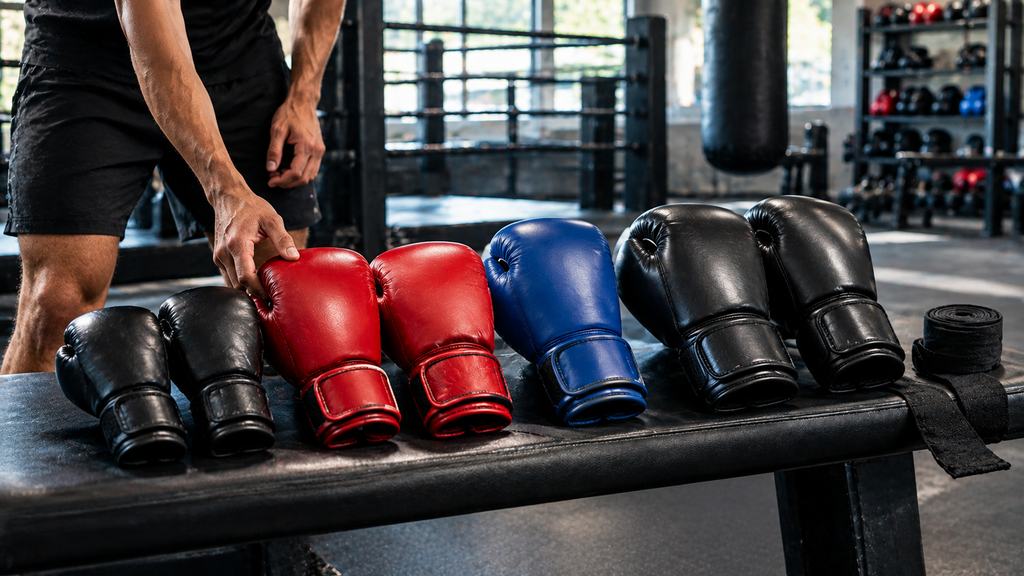
Glove weight is usually measured in ounces, commonly written as oz. The correct weight depends on factors such as your body size, training purpose and gym requirements.
Common weights include 8 oz, 10 oz, 12 oz, 14 oz and 16 oz, although other options are also available.
| Glove Weight | Typical Use |
| 8 oz | Competition in some settings |
| 10 oz | Competition and certain training |
| 12 oz | General training |
| 14 oz | Training and some bag work |
| 16 oz | Sparring and heavier training |
These are general guidelines rather than universal rules. Your coach, gym and competition organization may have specific requirements.
The fit is also important. A glove should not leave your hand swimming inside the compartment, but it should not squeeze your fingers or create uncomfortable pressure points.
Why Hand Wraps Matter
Even the best boxing gloves cannot replace proper hand wrapping. Wraps help support the hands and wrists and provide an additional protective layer.
Beginners should learn a proper wrapping technique from a qualified coach. A badly applied wrap can be uncomfortable and may fail to provide the support you expect.
Before putting on your gloves, make sure the wrap sits smoothly without excessive folds. Your wrist should feel supported while your fingers remain comfortable.
Leather vs Synthetic Boxing Gloves
One of the biggest buying decisions is choosing between leather and synthetic materials.
Leather gloves are often valued for their durability and premium feel. With proper care, a quality leather pair can last through extensive training.
Synthetic gloves can be more affordable and are often easier for beginners to consider when they are unsure how frequently they will train.
Neither material automatically makes a glove perfect. Construction quality, padding, stitching, wrist support and fit should all be considered before making a purchase.
What Makes a Good Pair of Boxing Gloves?
A good pair should combine protection, comfort and durability.
Here are some important features to check:
Padding: Look for adequate and evenly distributed padding around the knuckles.
Wrist support: A secure closure can help keep the wrist stable during training.
Fit: Your hand should feel secure without excessive pressure.
Stitching: Strong stitching can improve durability, particularly if you train frequently.
Material: Consider whether leather or synthetic construction suits your budget and training needs.
Closure: Hook-and-loop closures are convenient for solo training, while lace-up designs are often associated with a more secure fit but usually require assistance.
Common Mistakes When Buying Boxing Gloves
One common mistake is choosing gloves based purely on appearance. A stylish design is nice, but protection and fit should come first.
Another mistake is buying the wrong weight. Heavier gloves can provide more padding for certain training situations, but that does not mean heavier is always better.
Some beginners also ignore hand wraps. Wearing gloves without properly wrapping your hands can leave you without the additional support that wraps are intended to provide.
Finally, avoid assuming that an expensive glove is automatically the right glove. The best choice depends on your training, experience, hand size and gym requirements.
How to Take Care of Your Boxing Gloves
Sweat and moisture can build up inside gloves after training, creating unpleasant odors and potentially shortening their lifespan.
After each session, remove your gloves from your gym bag and allow them to air out. Do not leave them trapped inside a closed bag for hours.
Use a suitable cloth to wipe the exterior and follow the manufacturer’s cleaning instructions. Avoid using harsh cleaning products unless the manufacturer specifically recommends them.
Hand wraps should also be washed regularly. Keeping both wraps and gloves clean can make your equipment more comfortable to use.
How Long Do Boxing Gloves Last?
The lifespan of gloves depends heavily on how often and how intensely they are used.
Someone training once a week may get considerably more use from a pair than someone completing hard sessions almost every day.
Look for signs of deterioration such as flattened padding, damaged stitching, cracked material, loose wrist support or a noticeable change in fit.
If the protective structure has significantly deteriorated, replacing the gloves is generally more sensible than continuing to train with damaged equipment.
Boxing Gloves for Beginners: What Should You Buy?
Beginners should focus on versatility and comfort rather than immediately buying specialized professional equipment.
For general gym training, a quality training glove can be a practical choice. If your main activity is heavy-bag work, consider equipment intended for bag training. If you are going to spar, follow your coach’s recommendation regarding the appropriate weight and padding.
Your budget also matters. There is no need to spend a large amount of money before you know how regularly you will train.
A comfortable, properly fitted pair from a reputable manufacturer can give a beginner a solid starting point.
Frequently Asked Questions
Are boxing gloves supposed to feel tight?
They should feel secure but not painfully tight. Remember that hand wraps will add some bulk, so try to consider the fit with wraps when possible.
What gloves are best for beginners?
Training gloves are often a practical starting point because they can be used for several types of workouts. The exact weight should depend on your training and your coach’s guidance.
Are heavier boxing gloves safer?
Not necessarily. Glove weight should match the intended activity and relevant gym or competition rules. More weight does not automatically mean better protection in every situation.
Can I use boxing gloves without hand wraps?
Hand wraps are commonly used underneath gloves to provide additional support and protection. Beginners should learn the correct wrapping technique rather than relying on gloves alone.
How should I clean boxing gloves?
Follow the manufacturer’s care instructions. Generally, wipe the exterior after training and allow the gloves to air out rather than leaving them inside a closed gym bag.
Final Thoughts
Choosing the right boxing gloves is about more than picking a design that looks good. Training style, glove weight, fit, padding, wrist support and material can all affect your experience.
For beginners, versatile training gloves can be a sensible starting point. As your skills and training routine develop, you may eventually want separate equipment for bag work, sparring or competition.
Most importantly, combine suitable gloves with proper hand wraps, good punching technique and guidance from a qualified coach. The right equipment can support your training, but good technique and consistent practice remain at the heart of boxing.







One Comment