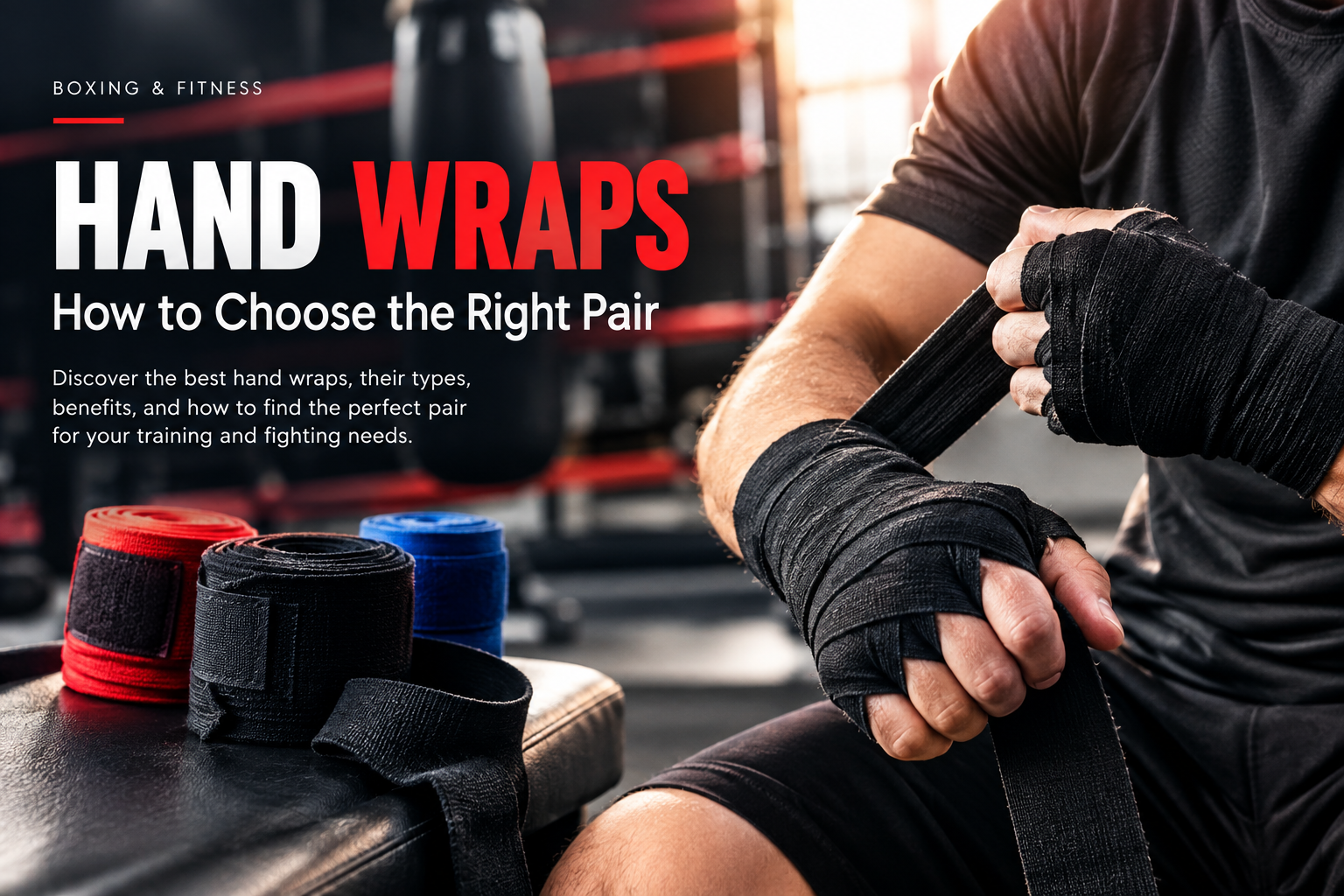
Whether you are stepping into a boxing gym for the first time or already spend several days a week training, the right hand wraps can make a big difference to your comfort and confidence. They provide an important layer of support between your hands and boxing gloves while helping create a secure fit around the hands and wrists.
Choosing hand wraps is not simply about picking your favourite colour or the cheapest option available. Length, material, stretch, fastening system, hand size, training style, and personal preference all play a role. A wrap that feels comfortable for one boxer may feel too tight or restrictive for another.
This guide explains the main types of hand wraps, how they work, what to look for when buying them, how different materials compare, and how to use them as part of a sensible boxing-training setup.
What Are Hand Wraps?
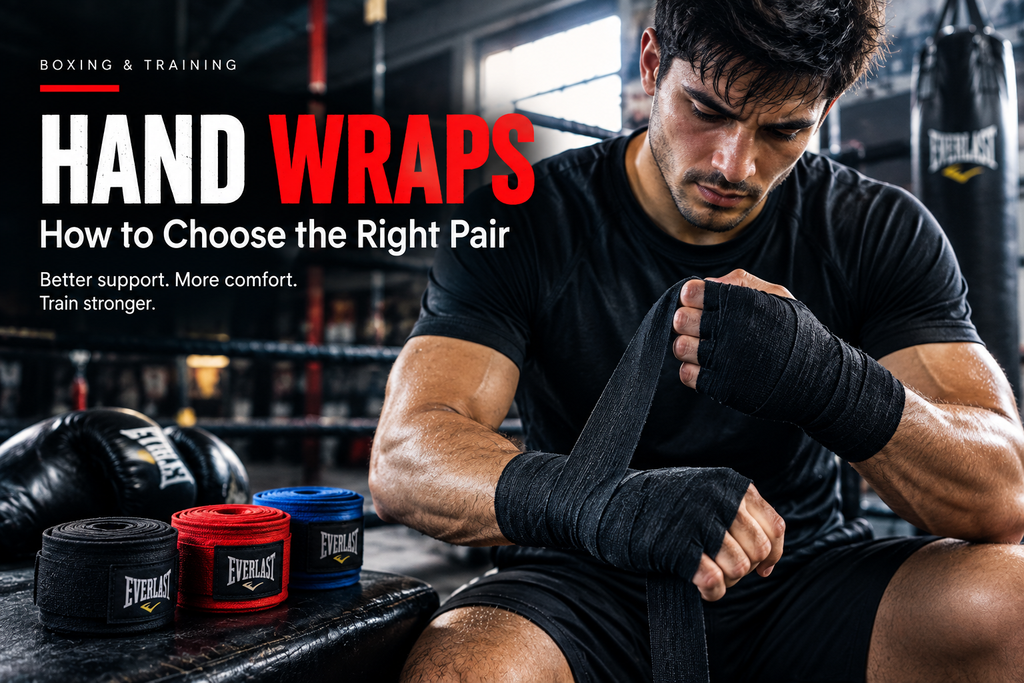
Hand wraps are long strips of fabric or protective material designed to be wrapped around the hands and wrists before putting on boxing gloves. They are commonly used in boxing, kickboxing, Muay Thai, MMA training, and other combat-sport workouts.
The main purpose of hand wraps is to create a secure layer around the hand and wrist. Depending on the wrapping method, they can provide coverage around the knuckles, thumb, wrist, and areas between the fingers. The wrap also helps keep the hand more secure inside the glove.
Hand wraps come in different lengths and materials, so there is no single design that works perfectly for everyone. Some boxers prefer traditional long wraps because they can customise the wrapping pattern, while others prefer quick wraps because they are faster and easier to put on.
Why Do Boxers Wear Hand Wraps?
Boxers wear hand wraps because the hands contain many small bones, joints, and structures that are exposed to repeated impact during training. A properly applied wrap creates an additional supportive layer underneath the boxing glove.
Hand wraps can also help keep the glove fit more secure. When the hands are wrapped correctly, the boxer may feel less movement inside the glove and a more consistent connection between the hand and the equipment.
However, hand wraps are not a substitute for correct technique, suitable gloves, or professional instruction. They should be comfortable and supportive rather than painfully tight. If numbness, tingling, severe pressure, or persistent discomfort develops, the wraps should be removed and reapplied.
How to Choose Hand Wraps
Choose the Right Length
Length is one of the first things to consider when buying hand wraps. Longer wraps give you more material to work with around the wrist, palm, knuckles, and fingers.
Shorter wraps can be convenient for smaller hands or quick training sessions, while longer wraps can be useful when you prefer more coverage and a more customised wrapping technique.
There is no universal length that every boxer must use. Your hand size, glove size, wrapping method, and personal preference should all be considered before making a choice.
Consider the Material
Hand wraps are commonly made from materials such as cotton, elastic blends, and other synthetic fabrics. Each material can provide a different feel when wrapped around the hand.
Cotton wraps generally feel more traditional and provide relatively little stretch. Elastic or semi-elastic wraps can conform more closely to the shape of the hand and may feel more flexible during training.
Material also affects washing and durability. Since hand wraps absorb sweat during training, choosing a material that is easy to clean can be particularly useful for people who train frequently.
Check the Stretch
Stretch is another important factor. Some hand wraps have little or no stretch, while others are designed to stretch slightly as you wrap them around your hand.
A small amount of stretch can make it easier to create a close and comfortable fit. However, excessive tension can make the wrap uncomfortable and may interfere with circulation.
The goal should be a secure wrap rather than the tightest possible wrap. Your fingers should remain comfortable and you should be able to move your hand naturally.
Look at the Closure
Most traditional hand wraps use a hook-and-loop fastening system. This allows the wrap to be secured around the wrist once the wrapping process is complete.
The quality of the closure matters because it needs to remain secure throughout training. A weak or damaged fastening system can cause the wrap to loosen while you are working out.
Quick wraps and gel-style products may use different fastening designs. These can be convenient, especially for fitness-focused users who do not want to spend several minutes learning a traditional wrapping technique.
Consider Your Training Style
Your training style should influence the type of hand wraps you choose. Someone who regularly works a heavy bag may have different preferences from someone who mainly attends fitness boxing classes.
Traditional wraps can be useful when you want control over how much coverage you place around different areas of your hand and wrist. Quick wraps can be attractive when speed and convenience are your biggest priorities.
If you train across several combat sports, versatility may be more important. In that situation, a comfortable wrap that works well underneath your preferred gloves can be a practical option.
Types of Hand Wraps Explained
Traditional Boxing Hand Wraps
Traditional boxing hand wraps are long fabric strips that are manually wrapped around the hand and wrist. They remain one of the most common choices for boxers because they allow the user to control the wrapping pattern.
They can be wrapped around the wrist, palm, knuckles, and between the fingers depending on the technique being used. This flexibility makes them suitable for regular boxing training.
The main disadvantage is that they take practice. Beginners may need several attempts before they can create a comfortable and consistent wrap.
Mexican-Style Hand Wraps
Mexican-style wraps are generally associated with elastic or semi-elastic fabric that can stretch as it is applied. The material can conform closely to the shape of the hand.
Many users like this style because it can provide a snug feeling without the stiffness associated with some traditional cotton wraps.
As with any elastic wrap, however, tension needs to be controlled. Pulling the material excessively tight is not the goal.
Elastic Hand Wraps
Elastic hand wraps are designed to provide some flexibility while being wrapped around the hand. They can be particularly convenient for people who prefer a close-fitting feel.
Because the material stretches, users should pay attention to how much tension they apply. A comfortable wrap should support the hand without creating uncomfortable pressure.
Elastic wraps are available in different lengths and constructions, so the label and manufacturer’s instructions should always be checked before use.
Quick Hand Wraps
Quick hand wraps are designed for convenience. Instead of manually wrapping a long strip around every part of the hand, the user can put the wrap on more quickly.
They can be useful for fitness boxing, beginners, or anyone who needs to get ready for a workout quickly.
Their convenience comes with less flexibility compared with traditional wraps. If you prefer complete control over the wrapping pattern, traditional hand wraps may be more suitable.
Gel Hand Wraps
Gel hand wraps combine a fabric wrap system with padded sections, commonly around the knuckles. They are designed for users who want additional cushioning without building a traditional wrap from scratch.
They can be convenient for beginners and fitness-focused training sessions.
However, gel wraps can feel different underneath boxing gloves because of their added thickness. Always make sure the combination of wrap and glove remains comfortable and does not make the glove excessively tight.
Best Hand Wraps for Different Training Styles
Heavy Bag Training
Heavy bag sessions involve repeated punches and can place considerable demand on the hands and wrists. A secure wrapping method is therefore important.
Traditional or elastic hand wraps can both work for bag training, provided they are the correct size and applied comfortably. The important factor is creating a secure fit inside the boxing glove.
Your technique also matters. Hand wraps cannot compensate for poor punching mechanics, so beginners should learn proper form from a qualified coach.
Pad Work
Pad work involves combinations, movement, speed, and repeated striking. Hand wraps should remain secure without limiting natural hand movement.
Elastic wraps can provide a close fit, while traditional wraps allow you to customise the level of coverage.
Whatever style you choose, check the wrap before starting the session. Loose material can become distracting and uncomfortable once training begins.
Sparring
Sparring requires appropriate boxing equipment and proper supervision. Hand wraps should be comfortable and securely fitted underneath suitable gloves.
Traditional wraps are commonly preferred by experienced boxers because they allow a customised wrapping pattern.
For sparring, equipment should always follow the rules and requirements of your gym, coach, or competition organisation.
General Fitness
People who use boxing as a fitness workout may prioritise convenience. Quick wraps or gel hand wraps can be practical because they can reduce preparation time.
If your sessions involve light bag work, shadowboxing, cardio circuits, or fitness classes, you may not need the same wrapping setup as someone preparing for competitive boxing.
Even for fitness training, comfort matters. The wrap should stay secure without causing numbness or excessive pressure.
What Length of Hand Wraps Do You Need?
Hand-wrap lengths vary, and the best choice depends on hand size and wrapping technique. Shorter wraps may be easier for smaller hands, while longer wraps provide more material for additional coverage.
Many adult boxers prefer longer wraps because they allow more flexibility in how the hand and wrist are covered. However, more material is not automatically better.
Before buying, check the manufacturer’s recommended use and compare the length with your hand size. If you are new to boxing, asking your coach to check your first wrap can also help.
How Should Hand Wraps Fit?
Hand wraps should feel secure without being painfully tight. Your wrist should feel supported, while your fingers should remain comfortable and mobile.
After wrapping, make a fist and move your fingers. If you notice numbness, tingling, unusual pressure, or significant discomfort, loosen the wrap and apply it again.
The wrap should also fit comfortably inside your boxing gloves. If your gloves feel excessively tight after wrapping, the combination of glove size, wrap thickness, and wrapping method may need to be reconsidered.
Cotton vs Elastic Hand Wraps
| Feature | Cotton Wraps | Elastic Wraps |
| Stretch | Low | Moderate to high |
| Feel | Traditional and firm | Flexible and close-fitting |
| Customisation | High | High |
| Ease of wrapping | Requires practice | Usually easier to shape |
| Common use | Boxing training | Boxing and combat-sport training |
| Fit | More structured | More adaptable |
| Washing | Usually straightforward | Check care instructions |
Cotton wraps can appeal to boxers who prefer a traditional feel and greater control over tension. They can also be a good option for users who already know how to wrap their hands.
Elastic wraps may feel more comfortable for people who prefer a flexible material that follows the shape of the hand. Neither material is automatically right for every boxer.
The most important factors are fit, comfort, correct wrapping technique, and compatibility with your gloves.
How to Wrap Your Hands Properly
Start by placing the thumb loop over your thumb and bringing the wrap across the back or palm of the hand according to the wrapping method you have been taught. Keep the material smooth as you move around the wrist.
Continue around the wrist and hand, paying attention to the knuckles and the spaces between the fingers. Avoid creating bulky folds that could become uncomfortable inside the glove.
Finish by securing the wrap around the wrist using its fastening system. Make a fist, open your hand, and move your fingers to check the fit before putting on your boxing gloves.
If you are completely new to boxing, learning the technique from a qualified coach is preferable to simply copying a random wrapping method online.
Common Hand Wrap Mistakes
One of the most common mistakes is wrapping the hands too tightly. A wrap should feel supportive, not restrictive. Excessive tension can create uncomfortable pressure.
Another mistake is allowing the fabric to bunch up. Smooth wrapping helps create a more consistent layer underneath the glove.
Some beginners also ignore the wrist and focus entirely on the knuckles. Your complete wrapping technique should be appropriate for your hand, training style, and the method recommended by your coach.
How to Care for Hand Wraps
Hand wraps absorb sweat, so regular cleaning is important. Follow the manufacturer’s washing instructions and allow the wraps to dry completely before storing them.
Avoid leaving damp wraps inside a closed gym bag for long periods. Moisture can contribute to unpleasant odours and may shorten the useful life of the material.
It is also worth checking your wraps regularly. Frayed fabric, damaged stitching, worn fastening material, or excessive stretching can be signs that it is time for a replacement.
Frequently Asked Questions About Hand Wraps
Are hand wraps necessary for boxing?
Hand wraps are widely used in boxing because they provide an additional supportive layer underneath boxing gloves. They are especially useful during regular bag, pad, and sparring training. Your gym or coach may have specific equipment requirements.
What are the best hand wraps for beginners?
Beginners can consider traditional cotton, elastic, quick, or gel-style wraps depending on their needs. The most important factors are correct fit, comfortable tension, suitable length, and learning how to apply them properly.
How long should hand wraps be?
There is no single length that works for every boxer. Hand size, wrapping technique, glove size, and desired coverage all influence the appropriate length.
Can you wash hand wraps?
Many hand wraps can be washed, but care instructions vary by material and manufacturer. Follow the product’s washing instructions and make sure the wraps are completely dry before storing them.
Should hand wraps be tight?
They should be secure but not painfully tight. If your fingers become numb, tingly, cold, or uncomfortable, remove the wraps and reapply them with less tension.
Can you use hand wraps without boxing gloves?
Hand wraps are primarily designed to be used underneath suitable combat-sport gloves. They do not replace proper gloves when hitting a heavy bag, pads, or another target.
Do hand wraps protect the knuckles?
They can add a layer of cushioning and support around the hand, including the knuckle area, depending on the wrapping method and material. They should still be used with appropriate gloves and proper punching technique.
Conclusion
The right hand wraps can make your boxing setup more comfortable, secure, and practical. Instead of choosing a pair based only on appearance, consider the length, material, stretch, fastening system, hand size, and type of training you regularly perform.
Traditional wraps offer plenty of control, while elastic, quick, and gel-style options can provide different combinations of flexibility, convenience, and cushioning. The best option ultimately depends on how you train and what feels comfortable underneath your gloves.
Most importantly, learn a proper wrapping technique and avoid excessive tension. Combine well-fitted hand wraps with suitable gloves and sound punching technique, and you will have a much more reliable foundation for your boxing training.












2 Comments