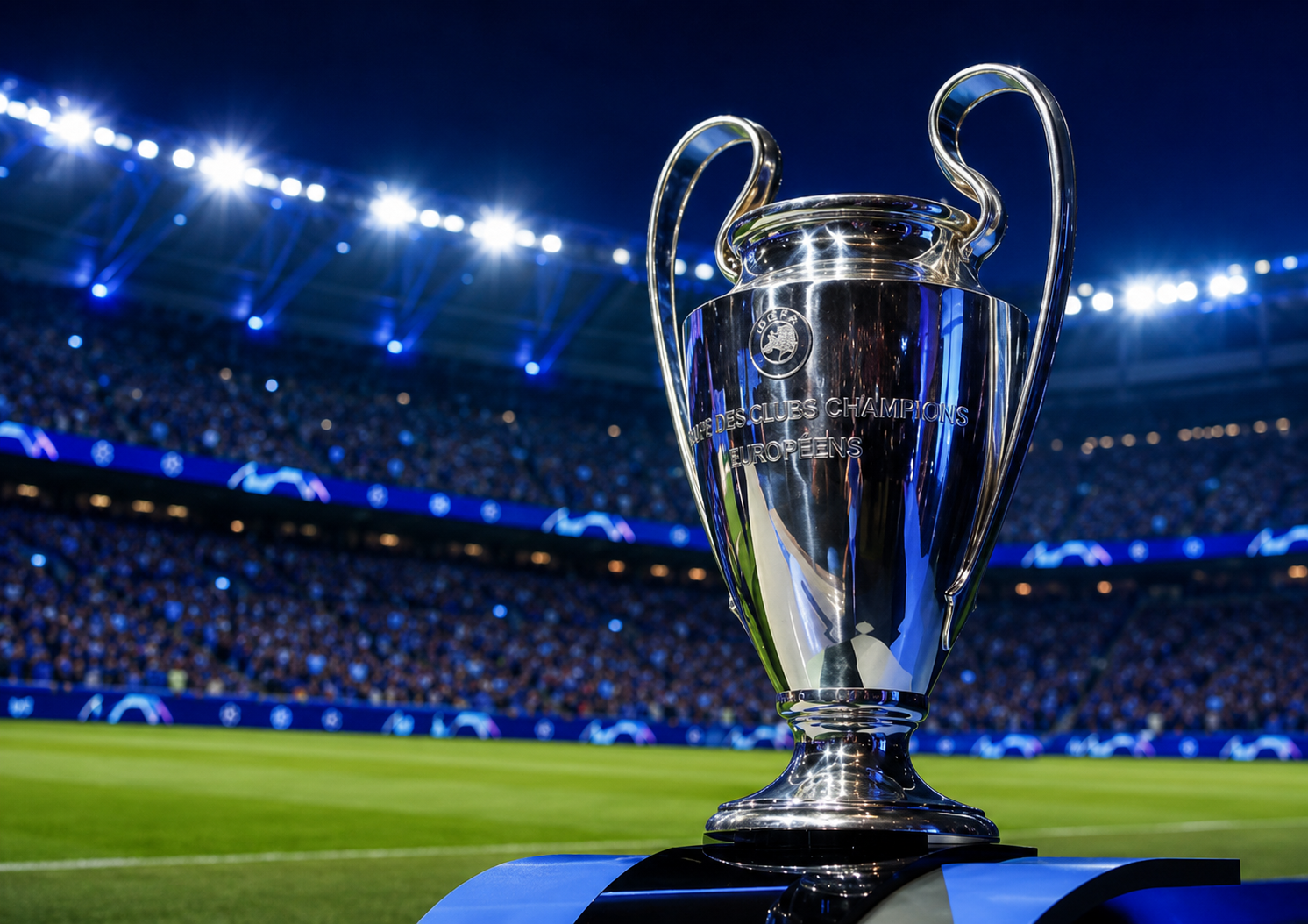
The Champions League draw is one of the most exciting moments in European football. Long before a ball is kicked in the knockout rounds, fans are already watching closely to see which teams will face each other. A single draw can create a dream tie between two European giants, set up a difficult path for a favourite, or give an underdog a realistic chance to progress.
For players, managers, and supporters, the Champions League draw is much more than a formal event. It can influence preparation, travel plans, tactics, squad rotation, and even expectations for the rest of the season. The moment two clubs are paired together, the countdown to one of football’s biggest occasions begins.
The excitement around the competition comes from its unpredictability. Europe is home to many historic clubs with talented squads, and the draw can produce almost any combination depending on the stage and format. That uncertainty is exactly why millions of football fans follow every Champions League draw with such interest.
Why the Champions League Draw Creates So Much Excitement
One of the biggest reasons the Champions League draw attracts attention is the possibility of major clubs meeting each other. Supporters always hope for exciting matchups featuring famous teams, world-class players, and legendary stadiums. A draw between two European heavyweights can instantly become one of the most talked-about football events of the season.
The Champions League draw also creates plenty of debate among fans and football experts. Some clubs may receive what appears to be a favourable route, while others could face several difficult opponents. Predictions begin immediately, with supporters discussing which teams have the best chance of reaching the next round.
Another important factor is the emotional connection between clubs. Certain teams have a long history of memorable meetings in Europe, so a repeat matchup can bring back memories of famous goals, dramatic comebacks, and controversial moments. Because of this history, the draw often feels like the beginning of a new chapter in an old football rivalry.
How the Champions League Draw Works
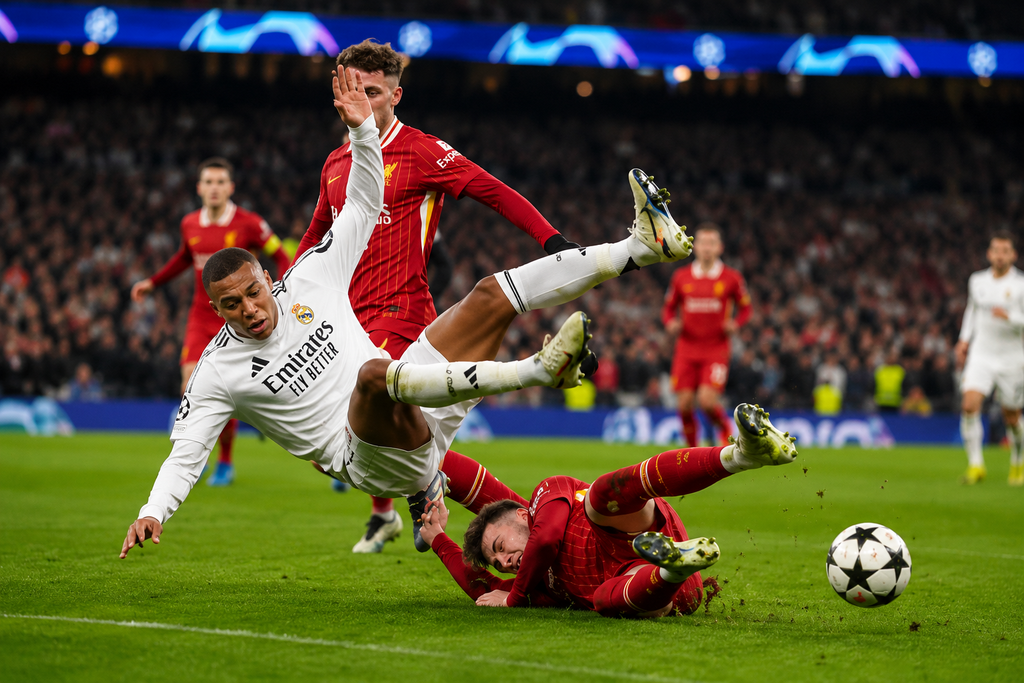
The exact structure of the Champions League draw can depend on the stage of the competition and the format being used. UEFA sets the rules before the tournament, and those rules determine how teams can be paired. Factors such as league position, seeding, and previous results can all influence the possible matchups.
In some stages, restrictions may prevent certain teams from facing each other immediately. These rules are designed to create a balanced competition and ensure that the draw follows the official tournament structure. As the competition progresses, however, more possible matchups can become available.
For fans watching at home, the process may look simple when teams are selected one after another. Behind the scenes, though, the Champions League draw is carefully organised. Every possible pairing must follow the competition regulations, which is why the draw can sometimes involve additional steps and explanations.
The Importance of Seeding in the Champions League Draw
Seeding has traditionally played an important role in determining how teams are placed in different stages of European competition. It can influence which clubs are grouped together and which potential opponents are available. Strong performances can therefore provide advantages beyond simply qualifying for the next round.
A team that performs consistently well may find itself in a stronger position when the draw takes place. However, football is unpredictable, and being seeded does not guarantee an easy opponent. The Champions League is full of high-quality clubs, so even a seemingly favourable draw can quickly become difficult.
Supporters often focus heavily on which teams are considered lucky or unlucky after the draw. However, managers usually take a more balanced approach. A strong team must be prepared to face difficult opponents at some point, especially if the goal is to win the Champions League.
Why Some Champions League Draws Feel Easier Than Others
After every major Champions League draw, fans immediately begin comparing the routes available to different clubs. One team may appear to have avoided the strongest opponents, while another could be facing a difficult series of matches. This naturally creates discussion about whether the draw has been kind or cruel.
However, appearances can sometimes be misleading. A club that looks easier on paper may be in excellent form, while a famous team could be struggling with injuries or poor performances. Football is not played based on reputation alone, and knockout football regularly produces surprises.
The pressure of the Champions League can also change everything. Smaller or less fashionable teams often raise their level when facing European giants. This is why managers rarely underestimate an opponent simply because the draw appears favourable.
Famous Matchups Created by the Champions League Draw
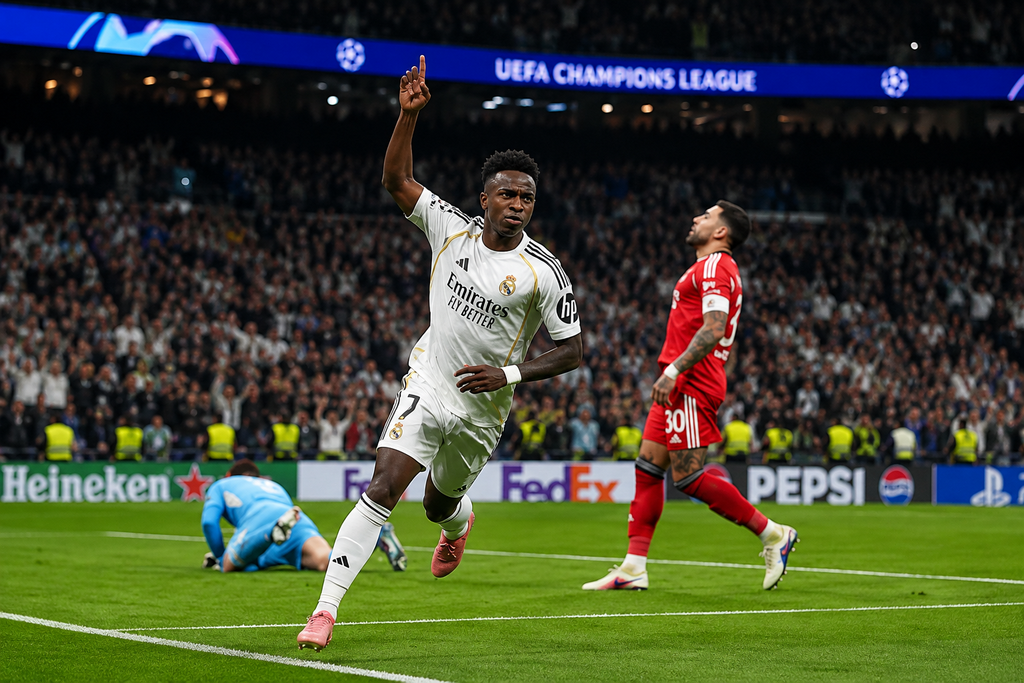
Over the years, the Champions League draw has produced some unforgettable football matches. European giants have faced each other in dramatic knockout ties, creating moments that remain part of football history. These games often feature incredible goals, late drama, and performances that define entire careers.
When two famous clubs are drawn against each other, the excitement begins well before the first match. Fans analyse previous meetings, compare players, and debate which team has the stronger squad. The media coverage also increases because these matches attract attention from supporters around the world.
At the same time, the draw can create unexpected stories involving clubs that are not normally considered favourites. An underdog may receive a chance to face one of Europe’s biggest teams, turning the tie into the biggest occasion in the club’s recent history. These stories are an important part of what makes the Champions League special.
How Managers React to the Champions League Draw
Managers are often asked for an immediate reaction after the Champions League draw. Most try to remain respectful and avoid making strong predictions before the matches are played. They understand that every opponent in the competition has earned the right to be there.
Behind closed doors, however, the coaching staff quickly begin their preparations. They study the opponent’s style, recent form, key players, and tactical strengths. The draw gives them a clear target and allows them to start planning for the challenges ahead.
Managers must also consider the wider fixture schedule. A difficult European tie can arrive during a busy period of domestic league and cup matches. Squad rotation becomes extremely important, especially for clubs competing for several trophies at the same time.
The Role of Home and Away Matches
The order of the fixtures can sometimes become an important talking point after the draw. Playing the first match away from home may create a different tactical situation compared with starting at home. Teams must decide whether to attack early or remain cautious and protect themselves for the second leg.
The second match can be particularly dramatic when played in front of a passionate home crowd. Supporters can create an intense atmosphere, especially when their team needs a comeback. Some of the most memorable Champions League nights have been built around dramatic second-leg performances.
Still, home advantage is not a guarantee of success. Away teams can use the pressure of the occasion to their advantage, particularly if they score early. A Champions League tie can change direction within minutes, which is why the result of the first match is never always enough to predict the final outcome.
Why Fans Analyse Every Possible Champions League Draw
Football fans enjoy predicting potential matchups even before the official draw takes place. Social media becomes full of possible combinations, dream ties, and opinions about which opponent a club should avoid. This creates excitement around the competition even during periods when matches are not being played.
For supporters, some opponents are considered more desirable than others. Fans may want to avoid a particularly strong team, while others hope for a famous European night against a historic rival. Different supporters can have completely different opinions about what counts as a good draw.
The Champions League draw also encourages friendly arguments between rival fans. One group may believe their club received an easy path, while another may argue that their own team is being underestimated. These discussions are part of the entertainment that surrounds European football.
Can a Good Draw Help a Team Win the Champions League?
A favourable draw can certainly make a team’s route look more manageable, but it does not guarantee success. Football history has shown that strong teams can be eliminated by opponents they were expected to beat. Knockout football is often decided by small details.
Injuries, suspensions, refereeing decisions, and individual moments of brilliance can all influence a tie. A team may dominate one match and still lose because of a single mistake. This level of unpredictability is one of the reasons the Champions League remains so popular.
The best teams usually focus on their own performances rather than worrying too much about the draw. If a club wants to become European champion, it must eventually prove that it can compete against the strongest opponents. A difficult route may be challenging, but it can also create some of the most memorable victories.
The Growing Interest in Champions League Draw Events
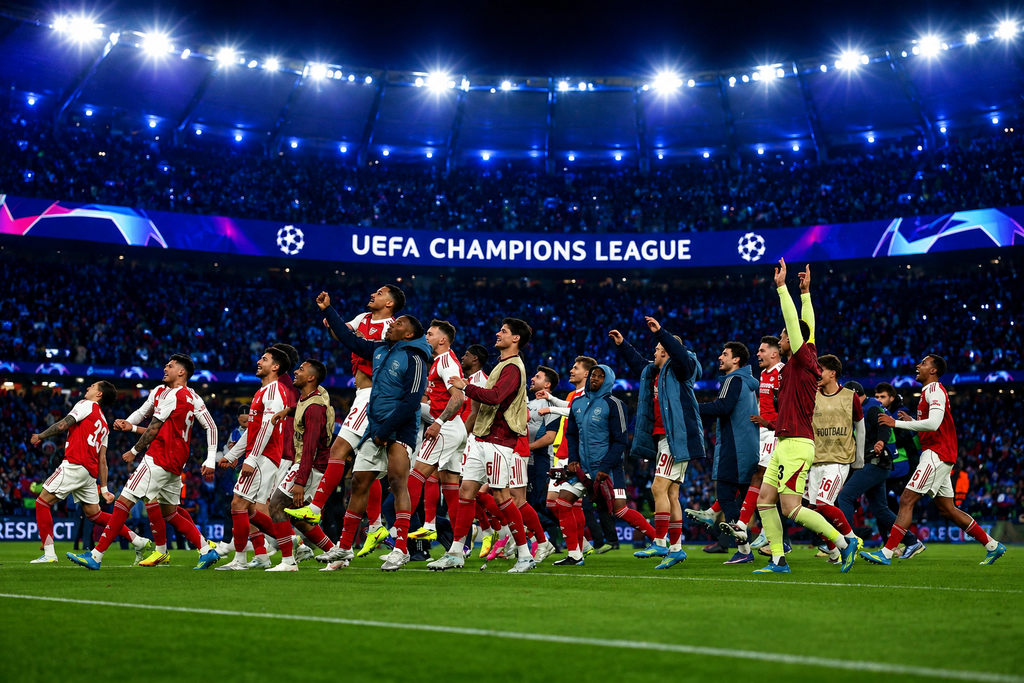
The Champions League draw has become a major event in its own right. Fans follow the announcements live, discuss the possible matchups, and react immediately when the pairings are confirmed. The event generates huge interest across television, websites, and social media.
Modern football has also made supporters more connected to events happening away from the pitch. A fan can follow every update in real time, share reactions instantly, and join discussions with supporters from other countries. This has helped make the Champions League draw a global football conversation.
The excitement does not end once the final pairing is announced. In many ways, that is when the real anticipation begins. Fans start counting down the days until the match, while journalists and analysts begin examining every possible advantage and weakness.
What Makes the Champions League Draw So Unpredictable?
The Champions League is unpredictable because football itself is unpredictable. Even when one team is considered the clear favourite, the result is never guaranteed. Form can change quickly, and knockout matches often produce unexpected heroes.
A club may enter the tie in excellent condition but suffer injuries before the first match. Another team may discover confidence at exactly the right moment and produce its best performance of the season. These changes mean that opinions formed immediately after the draw can look very different a few weeks later.
This uncertainty keeps fans interested from the moment the Champions League draw takes place until the final whistle of the competition. Every stage brings new possibilities, and every matchup has the potential to produce something memorable.
Final Thoughts on the Champions League Draw
The Champions League draw is much more than a simple process of deciding who plays whom. It shapes the next stage of the competition, creates excitement among supporters, and gives managers a new challenge to prepare for. Whether the result brings a dream matchup or a difficult route, it immediately becomes a major talking point.
For football fans, the draw represents possibility. It can bring together historic rivals, introduce new European matchups, or give an underdog the opportunity to make headlines. No matter which teams are selected, the anticipation surrounding the fixtures is always part of the experience.
Ultimately, the Champions League draw is one of the moments that makes European football so exciting. Before the players step onto the pitch, the competition already has another story to tell. And once the teams are paired, football fans everywhere begin asking the same question: who will come out on top?
You May Read More
Australian Men’s Cricket Team vs India National Cricket Team Match Scorecard










One Comment