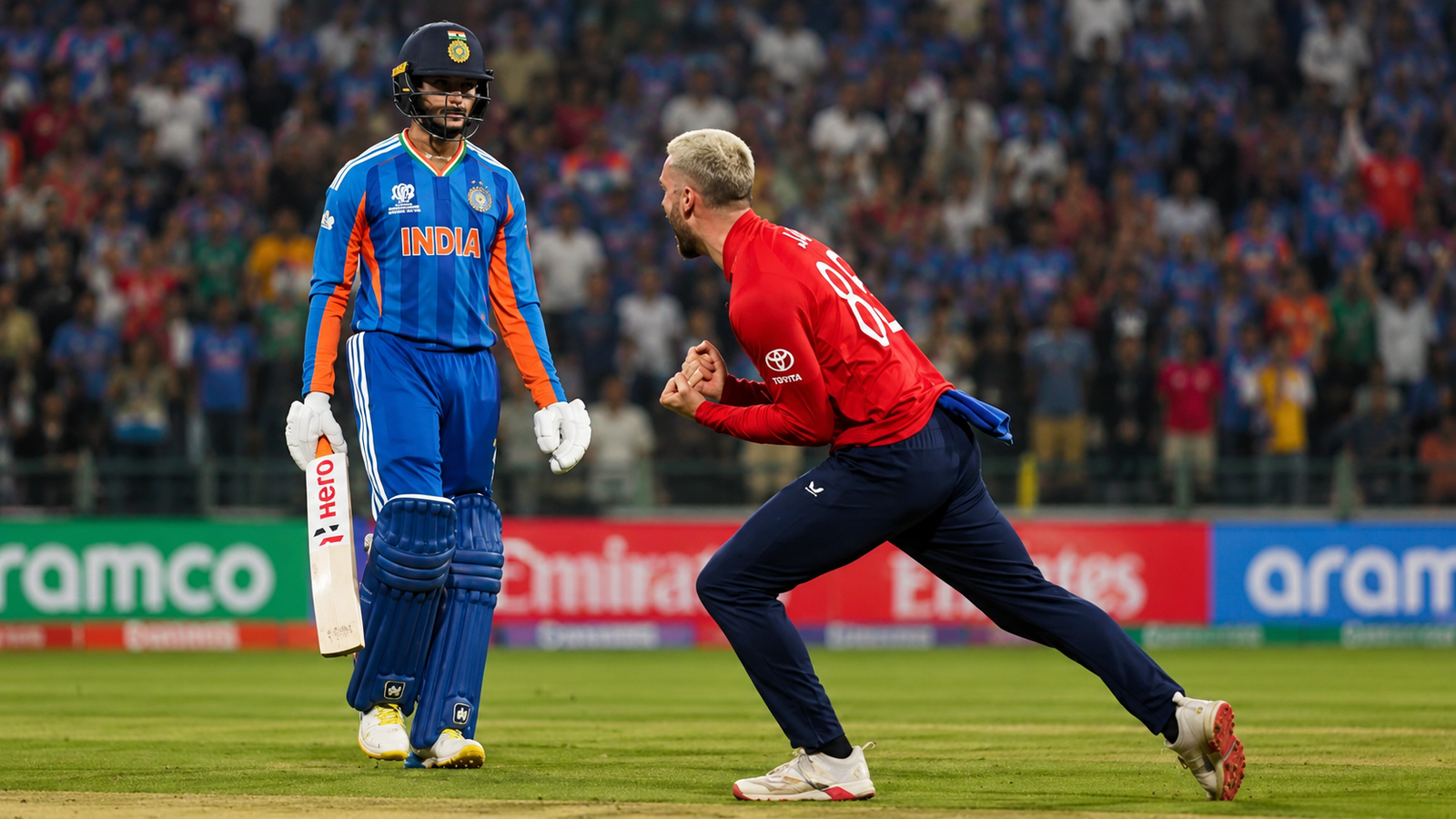
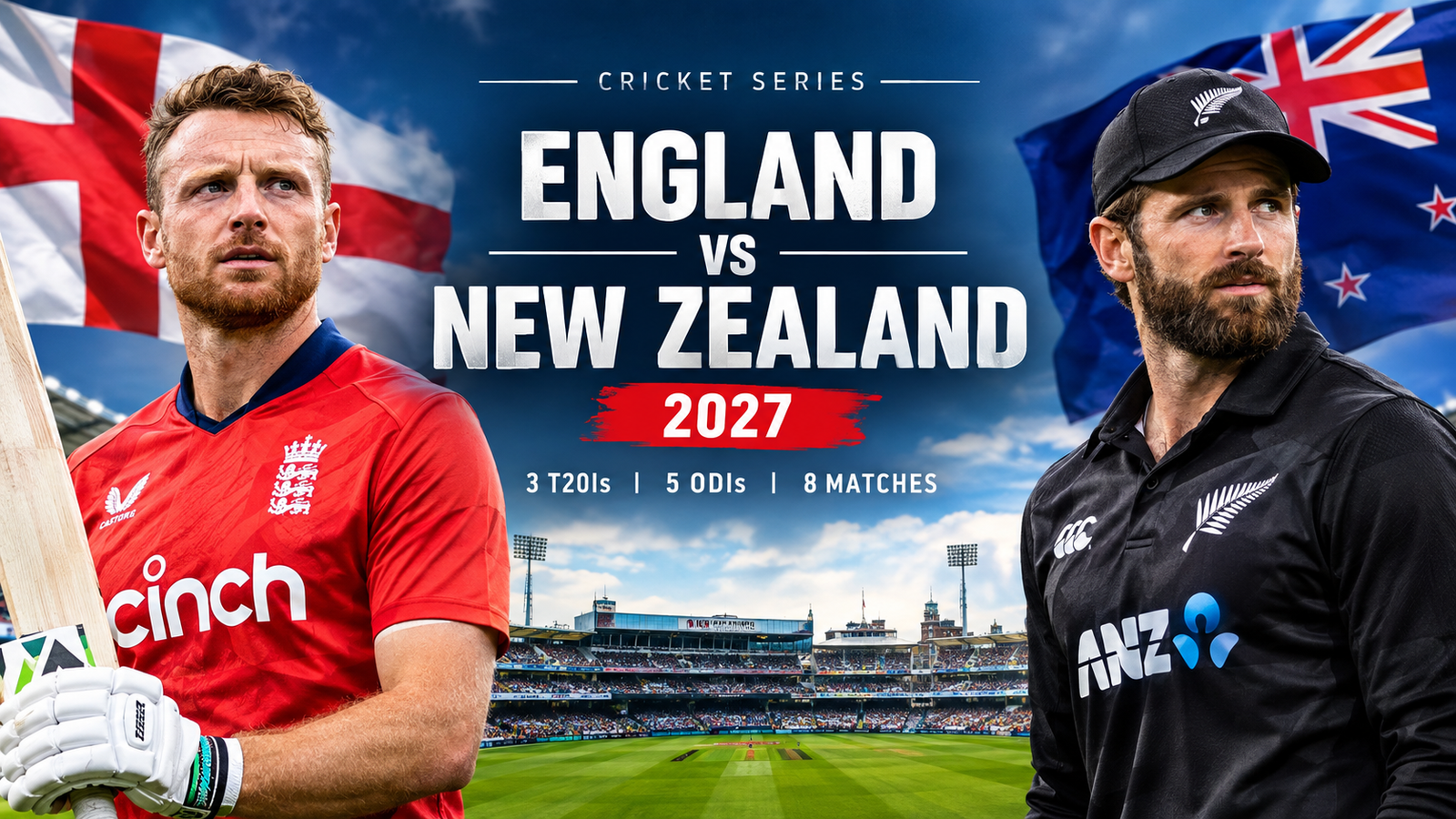
The England cricket team vs India national cricket team match scorecard is always more than a collection of runs, wickets, and overs. Whenever these two cricketing giants meet, the numbers usually tell the story of a contest filled with pressure, momentum shifts, individual brilliance, and tactical battles.
England and India share one of the oldest and most competitive rivalries in international cricket. Their Test history began in 1932, when India played its first Test match at Lord’s, and the rivalry has since expanded into memorable ODI and T20I contests as well.
For cricket fans, checking an England cricket team vs India national cricket team match scorecard is often the quickest way to understand what happened. A scorecard can show whether a match was dominated from the beginning, decided by one outstanding partnership, or turned around by a remarkable bowling spell.
Understanding the England Cricket Team vs India National Cricket Team Match Scorecard
England Cricket Team vs India National Cricket Team Match Scorecard : A cricket scorecard looks simple at first. It lists batters, runs, balls faced, boundaries, bowlers, wickets, and totals. However, when England and India are involved, those numbers often reveal a much bigger story about the match.
For example, a batter scoring 70 runs may appear to have had a successful day. But if the player faced 120 balls during a difficult Test match, that innings has a completely different value from a quick 70 off 40 deliveries in a T20 game. Context is everything when analysing cricket statistics.
The England cricket team vs India national cricket team match scorecard also helps fans understand momentum. A team might finish with a strong total, but the scorecard could reveal that they were struggling at one stage before a lower-order partnership rescued the innings. This is why experienced cricket followers rarely judge a match by the final total alone.
The Historic Rivalry Between England and India
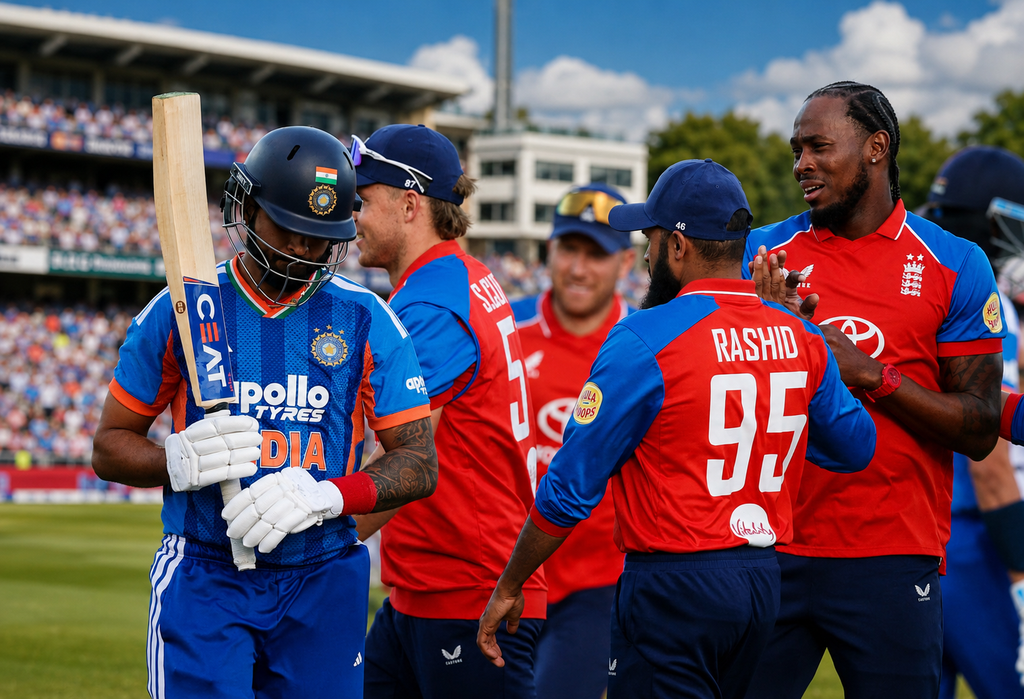
England Cricket Team vs India National Cricket Team Match Scorecard : The rivalry between England and India has developed over several generations. England dominated many of the early contests, particularly in English conditions, while India gradually became one of the strongest teams in world cricket.
Over time, India became increasingly competitive away from home, while England also developed teams capable of challenging India in subcontinental conditions. This evolution has made the rivalry far more balanced and unpredictable than it was during its early decades.
The rivalry now covers every major format. Test cricket brings patience, technique, and long-term tactical planning. ODIs create a balance between control and aggression, while T20 cricket often produces explosive performances where one brilliant over can completely change the direction of the match.
Batting Performances That Define the Match
Batting is usually the first section fans examine in an England cricket team vs India national cricket team match scorecard. The scorecard shows who scored heavily, who struggled, and which partnerships shaped the innings.
England have traditionally relied on strong top-order batting and aggressive middle-order players. In recent years, their approach across formats has often focused on positive cricket, quick scoring, and putting opposition bowlers under pressure.
India, meanwhile, have produced some of the finest batters in cricket history. Their batting strength has often come from combining technically sound top-order players with aggressive middle-order options and talented all-rounders. When the Indian batting unit performs well, even a difficult target can suddenly look manageable.
A single century or fifty does not always tell the full story. Sometimes a score of 35 from 20 balls can be more valuable than a slower half-century, particularly in limited-overs cricket. This is why strike rate, match situation, partnerships, and the quality of the opposition bowling attack should all be considered.
Bowling Figures and Their Importance
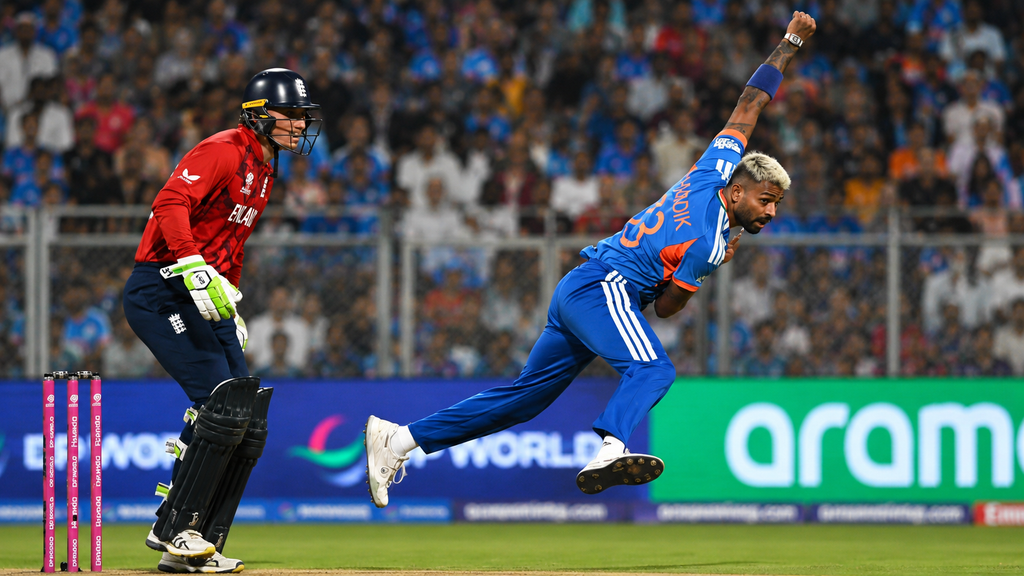
England Cricket Team vs India National Cricket Team Match Scorecard : The bowling section of the scorecard is equally important. A bowler may take three wickets, but the number of runs conceded can completely change how that performance should be viewed.
In Test cricket, bowlers are often judged by their ability to create pressure over long spells. A bowler who concedes very few runs can force batters into mistakes, even if another bowler eventually takes the wicket.
In ODIs and T20Is, economy rate becomes especially important. A spell of 2 wickets for 20 runs can be match-winning in a high-scoring game, while expensive overs during the final stages can undo a team’s earlier hard work.
The England cricket team vs India national cricket team match scorecard often highlights fascinating bowling battles. England’s pace attack has historically enjoyed home conditions, while India’s fast bowlers and spinners have increasingly become capable of making an impact in different parts of the world.
Partnerships That Change the Game
One of the most important parts of any scorecard is the partnership. Cricket is often presented as an individual sport because players receive individual statistics, but successful teams are usually built around important partnerships.
A team might lose two quick wickets and appear to be in serious trouble. Then two batters build a partnership of 120 runs and completely change the situation. When fans later review the scorecard, that partnership becomes one of the clearest turning points.
The same applies to smaller partnerships. A last-wicket stand of 30 runs can be extremely valuable in a low-scoring Test match. In an ODI, a quick 60-run partnership during the final overs can push a team from a competitive total to a winning one.
When analysing an England cricket team vs India national cricket team match scorecard, it is useful to look beyond the highest individual scorer. Sometimes the partnership that saved the innings was more important than the player who eventually finished with the biggest score.
Recent Scorecard Drama in England vs India Matches
Recent meetings between England and India have continued to produce dramatic scorecards across formats. One example from July 2026 saw India defeat England by six wickets in the first ODI after successfully chasing 259. Shubman Gill scored 80, while Axar Patel contributed with both bat and ball.
The same ODI series also produced a high-scoring contest at Lord’s, where England made 387 for 3 and defeated India, who finished on 360 for 7. Jacob Bethell delivered an important all-round performance and was named Player of the Match.
These matches demonstrate why scorecards should always be read carefully. The first ODI showed the importance of recovering from a batting collapse and building partnerships, while the later match demonstrated how difficult it can be to chase a huge total even when the chasing side scores heavily.
Why Test Match Scorecards Are Different
England Cricket Team vs India National Cricket Team Match Scorecard : A Test match scorecard requires a different type of analysis because the game can change dramatically over several days. A team may perform poorly in the first innings and still recover to win the match.
The condition of the pitch also plays a major role. Early in the match, fast bowlers may enjoy movement through the air and off the surface. Later, the pitch can become slower or begin to offer more assistance to spin bowlers.
An example of recent Test drama came in the 2025 series finale at The Oval, where India defeated England by just six runs and the series finished level at 2-2. England were chasing 374 but were dismissed for 367, despite major contributions from Joe Root and Harry Brook. Mohammed Siraj played a decisive role for India.
That kind of match shows exactly why the England cricket team vs India national cricket team match scorecard can be so fascinating. A scorecard may show only the final numbers, but those numbers represent days of changing conditions, tactical decisions, pressure, and dramatic moments.
ODI Scorecards and the Battle for Momentum
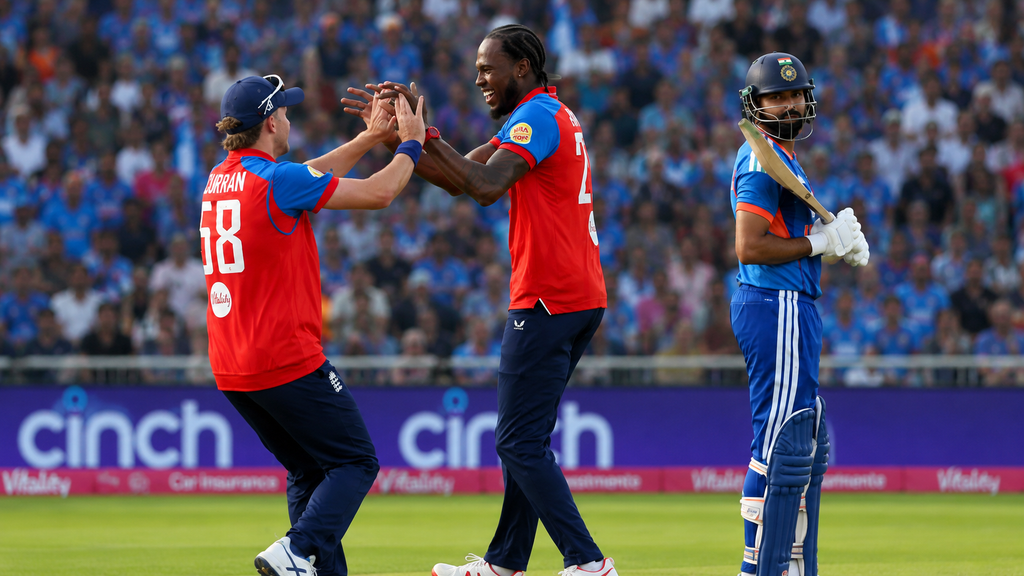
England Cricket Team vs India National Cricket Team Match Scorecard : One Day Internationals offer a different type of challenge. Teams must balance caution with aggression because every ball and wicket can affect the final result.
The opening phase is usually about building a strong platform. The middle overs often involve controlling the scoring rate while protecting wickets, and the final overs can become a battle between power hitters and specialist death bowlers.
England have frequently been known for an aggressive white-ball approach, while India have combined traditional batting stability with increasing attacking depth. This combination makes their ODI contests especially interesting because the two teams can approach the same target in different ways.
When reading an ODI scorecard, fans should pay attention to the run rate at different stages. A team may eventually score 320 runs, but the match could have been shaped by a period where they scored 100 runs without losing a wicket or, alternatively, collapsed before a late recovery.
T20 Matches and Explosive Scorecards
England Cricket Team vs India National Cricket Team Match Scorecard : T20 cricket creates some of the most dramatic scorecards in the England versus India rivalry. The shorter format allows very little time for recovery, and one exceptional performance can decide the match.
A batter scoring a quick 80 can dominate an entire innings, while a bowler taking two wickets in one over can completely destroy the opposition’s momentum. Fielding also becomes increasingly important because a dropped catch can allow a dangerous player to change the game.
The strike rate of batters is particularly important in T20 cricket. A player scoring 30 from 15 balls may contribute more to the team’s winning chances than someone scoring 45 from 40 balls, depending on the match situation.
This is why the England cricket team vs India national cricket team match scorecard should always be read with the format in mind. Numbers that appear ordinary in a Test match may be exceptional in a T20, and a strong ODI innings may look completely different when judged against a modern high-scoring game.
Key Things to Look for in the Scorecard
England Cricket Team vs India National Cricket Team Match Scorecard : The first thing to check is the final result, but that should not be the end of the analysis. Look at the margin of victory and consider whether the winning team dominated the entire match or only took control during the final stages.
The second important area is the top performers. Check the highest run scorers, leading wicket-takers, strike rates, economy rates, and major partnerships. These numbers usually reveal which players had the biggest influence.
Finally, examine the dismissals and the fall of wickets. A batting team that loses four wickets for 20 runs may have suffered a major collapse, even if the final total looks respectable. Understanding these details helps turn a simple scorecard into a complete match story.
Final Thoughts
The England cricket team vs India national cricket team match scorecard represents far more than statistics. Every match between these two sides brings history, pressure, tactical competition, and the possibility of an unforgettable individual performance.
Whether the contest is a five-day Test, a high-scoring ODI, or a fast-paced T20I, the scorecard provides the foundation for understanding how the match unfolded. Runs, wickets, partnerships, strike rates, and bowling figures all combine to tell the complete story.
England Cricket Team vs India National Cricket Team Match Scorecard : For cricket fans, analysing the England cricket team vs India national cricket team match scorecard is one of the best ways to relive the action. The final score may tell you who won, but the details inside the scorecard reveal how they won and which moments truly changed the game.
You May Read More
Australian Men’s Cricket Team vs India National Cricket Team Match Scorecard








3 Comments