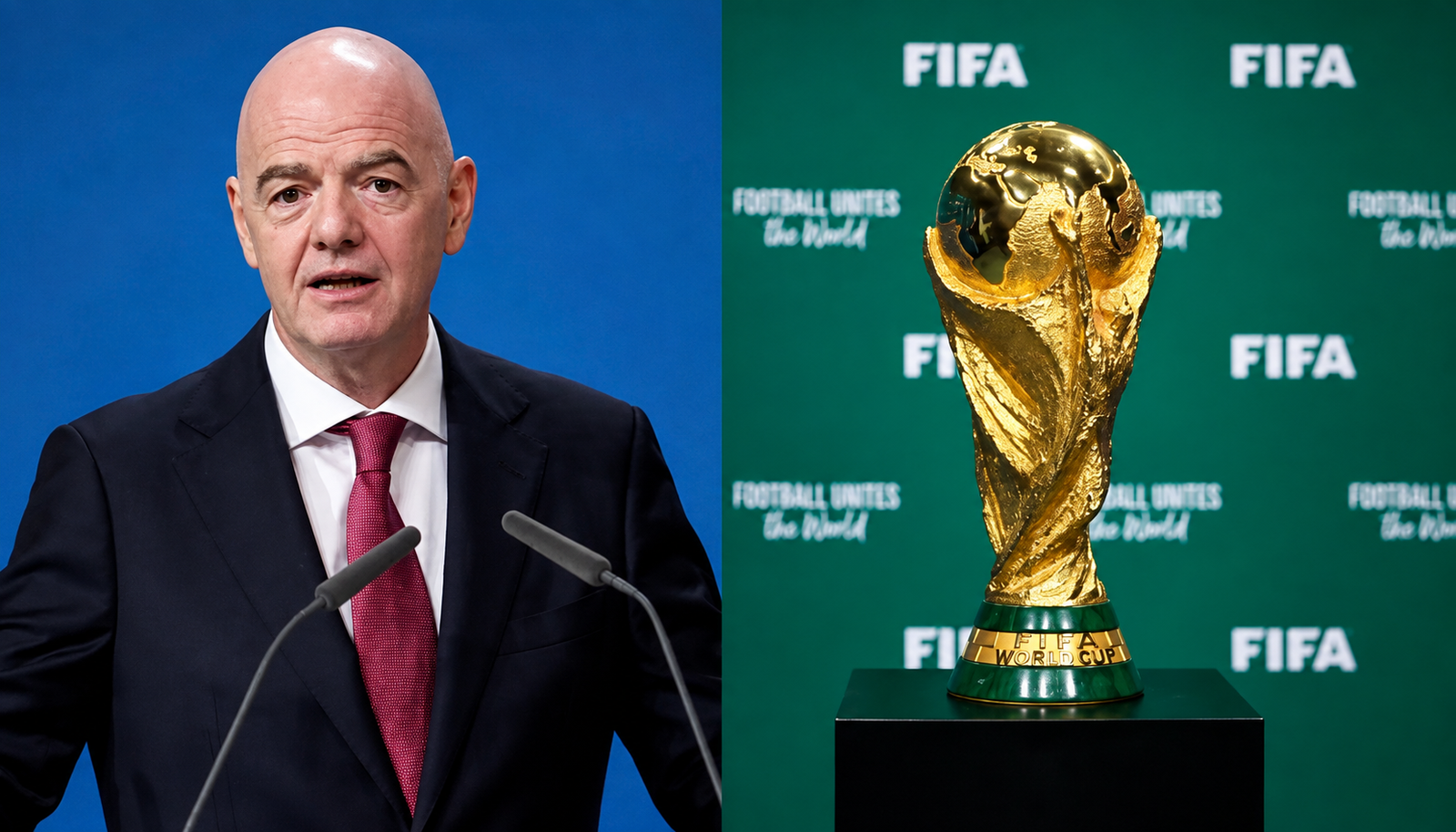
The World Cup 2030 is already shaping up to be one of the most unique and historic tournaments in football history. It will mark 100 years since the first FIFA World Cup was played in Uruguay in 1930, and the celebration is expected to bring together countries, cultures, continents and millions of football fans from around the world.
Neymar Money Heist: The Surprising Football and Netflix Connection
Unlike a traditional World Cup hosted mainly within one country or region, the World Cup 2030 will have a truly global feel. Morocco, Portugal and Spain are the main hosts, while Argentina, Paraguay and Uruguay will each stage a special centenary celebration match. That means the tournament will connect three continents and six countries in a way football has never seen before. FIFA has confirmed that the main hosts will stage 101 matches, while the three South American games will honour the competition’s 100-year history.
For football supporters, this edition is about much more than simply finding the next world champion. The World Cup 2030 will celebrate the journey of the sport itself, from the first tournament in Montevideo to the modern global competition followed by billions of fans.
Why World Cup 2030 Will Be So Special
The biggest reason the World Cup 2030 stands out is its historical importance. The first FIFA World Cup took place in Uruguay in 1930, making the 2030 tournament the official centenary edition. One hundred years of iconic players, unforgettable finals, shocking upsets and legendary moments will all lead into this special celebration.
FIFA has designed the tournament to recognise both the past and the future of football. Uruguay will have a particularly emotional role because Montevideo hosted the first World Cup, while Argentina and Paraguay will also take part in the centenary celebrations. The opening celebration in South America is intended to connect the modern competition with its original roots.
At the same time, the main tournament will move to Morocco, Portugal and Spain, where most of the matches will take place. This combination gives the World Cup 2030 a rare balance between history and modern football. Fans will be able to celebrate where the competition began while also experiencing the atmosphere of some of Europe and Africa’s biggest football nations.
World Cup 2030 Hosts: Six Countries, Three Continents
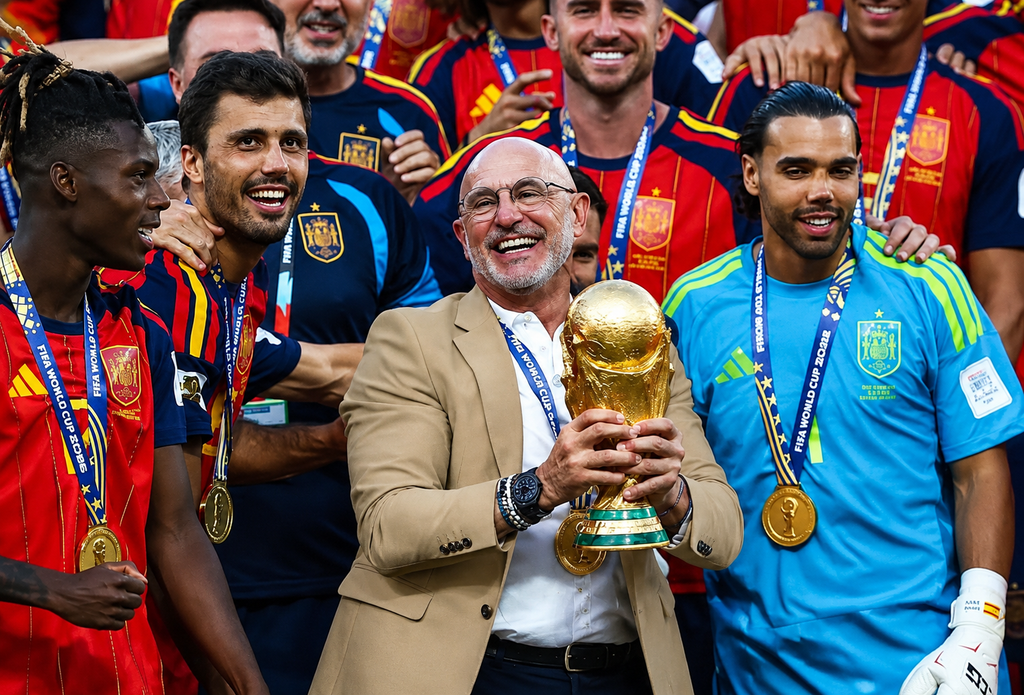
The main hosts of the World Cup 2030 are Morocco, Portugal and Spain. These three countries were officially appointed to host the tournament, creating a joint event across Africa and Europe. Morocco’s inclusion is especially significant, as the country will play a major role in bringing the World Cup back to Africa for the first time since South Africa hosted in 2010.
Spain brings enormous football history, world-famous clubs and a strong collection of stadiums to the tournament. Portugal may be smaller in size, but its football culture, passionate supporters and modern infrastructure make it an important part of the joint hosting project. Together, the three countries are expected to provide a wide variety of stadium experiences and football atmospheres.
Meanwhile, Uruguay, Argentina and Paraguay will each host one special centenary celebration match. This arrangement means that the World Cup 2030 will officially connect Africa, Europe and South America. FIFA has described the tournament as a unique global celebration, with the six participating host nations automatically qualifying for the competition.
The Historic Return to Uruguay
For many football fans, the match in Uruguay could become one of the most emotional moments of the entire World Cup 2030. Uruguay hosted the first-ever FIFA World Cup in 1930 and also won that tournament, defeating Argentina in the final.
Montevideo therefore holds a special place in football history. FIFA has planned the centenary celebration around the historic significance of the city, recognising the location where the World Cup story first began. A match in Montevideo will provide a direct connection between the original competition and the modern era of international football.
The emotional value of this occasion cannot be underestimated. Modern football is filled with advanced technology, massive broadcasting deals and global superstars, but the World Cup 2030 will remind fans that the competition began with a much smaller tournament and only 13 participating nations. The centenary celebration will offer a chance to look back at how far the game has come.
How the World Cup 2030 Format Could Work
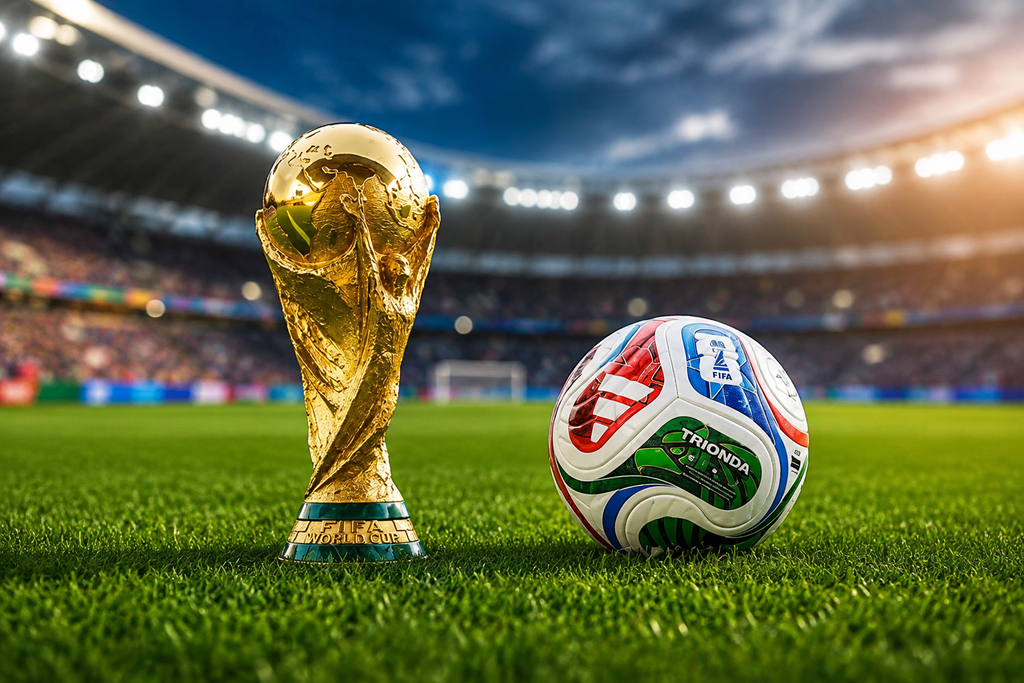
The World Cup 2030 will follow the expanded 48-team era that begins with the 2026 FIFA World Cup. This means more national teams will have the opportunity to compete on football’s biggest stage, creating additional chances for emerging nations to make history.
An expanded tournament also means more matches, more travelling and more opportunities for supporters to experience the World Cup. FIFA has confirmed that Morocco, Portugal and Spain will host 101 matches, while the three additional South American matches will be part of the centenary celebration.
The unusual geographical arrangement has also created an important scheduling challenge. FIFA has said the match schedule will be adapted to provide additional travel and recovery time for teams involved in the South American celebration matches before they continue their tournament journey. According to FIFA’s current explanation, the South American games are expected to be played a few days before the official opening matches in Morocco, Portugal and Spain.
The Travel Challenge Facing Teams and Fans
One of the most talked-about aspects of the World Cup 2030 is the enormous amount of travel involved. Moving between Europe, Africa and South America is very different from travelling between cities inside one country. FIFA will need to carefully organise schedules to reduce unnecessary pressure on players.
The teams selected to play the centenary matches will face the most complicated travel arrangements. After beginning in South America, they will need time to travel, recover and prepare for their next matches in the main tournament. FIFA has already indicated that the schedule will include additional days to help manage this challenge.
Fans could face an even bigger challenge. Supporters who want to follow their team from the South American celebration matches to Europe or Morocco may need to plan an expensive and complicated journey. However, for many passionate football fans, being part of such a historic tournament could make the experience worth the effort.
Stadiums and Football Culture Will Take Centre Stage
The World Cup 2030 should offer one of the most diverse collections of football environments ever seen at a single tournament. Spain has a deep football tradition and several major stadium cities, while Portugal has a passionate football culture despite its smaller geographical size.
Morocco will bring a completely different atmosphere to the tournament. Football is hugely popular across the country, and Morocco’s recent success on the international stage has increased global interest in its national team and football infrastructure. Hosting the World Cup 2030 will provide another major opportunity for the country to showcase itself to a worldwide audience.
The South American celebration matches will add a different kind of football energy. Uruguay and Argentina have some of the strongest football traditions in history, while Paraguay also has a deep connection to South American football. The contrast between continents could make every stage of the tournament feel unique.
Which Teams Are Already Qualified for World Cup 2030?
One of the major advantages of being involved in the hosting structure is automatic qualification. FIFA has confirmed that Morocco, Portugal, Spain, Uruguay, Argentina and Paraguay will automatically qualify for the World Cup 2030.
This gives those six nations a valuable opportunity to prepare without going through the usual qualification pressure. Instead of focusing entirely on qualifying campaigns, they can use the years before the tournament to build squads, test young players and develop long-term strategies.
However, automatic qualification does not guarantee success. History has shown that host nations often face enormous pressure. Playing in front of home supporters can provide a huge advantage, but expectations can also become overwhelming. Every host nation will know that fans expect a strong performance in such a historic edition of the World Cup.
Could World Cup 2030 Create New Football Legends?

Every World Cup produces players who become part of football history. Some arrive as unknown talents and leave as global stars, while others use the tournament to confirm their status as all-time greats.
By 2030, football will have entered a new generation. Many of today’s young players could be reaching their peak, while future stars who are currently unknown may emerge before the tournament begins. That uncertainty is part of what makes a World Cup so exciting.
The World Cup 2030 will also carry extra pressure because of its centenary status. Players will understand that they are competing in an edition that will be remembered differently from a normal tournament. A winning captain lifting the trophy in 2030 could become part of one of the most important chapters in football history.
What World Cup 2030 Means for Football Fans
For supporters, the World Cup is not only about watching 90 minutes of football. It is about travelling, meeting fans from different countries, experiencing local cultures and becoming part of a global celebration.
The World Cup 2030 could take this experience to another level. A fan may begin by following the centenary celebrations in South America before travelling to Spain, Portugal or Morocco. Few sporting events have ever attempted to connect so many countries across such a large geographical area.
The tournament should also create an enormous amount of online discussion, media coverage and social media activity. From squad announcements to stadium atmospheres, every major moment will be shared instantly with football fans across the world.
The Business and Global Impact of World Cup 2030
Hosting a World Cup can bring significant tourism, infrastructure development and international attention. Morocco, Portugal and Spain will have an opportunity to present their cities and cultures to a global audience.
Hotels, restaurants, airlines and local businesses are also likely to benefit from the arrival of international supporters. Major sporting events can create economic opportunities, although the final impact depends heavily on how effectively the tournament is organised.
The global nature of the World Cup 2030 could make its reach even greater. With matches and celebrations spread across three continents, the tournament will create worldwide attention from the moment preparations begin.
Final Thoughts on World Cup 2030
The World Cup 2030 will be much more than another edition of football’s biggest tournament. It will celebrate 100 years of World Cup history while introducing one of the most ambitious hosting arrangements ever attempted.
Morocco, Portugal and Spain will lead the main tournament, while Argentina, Paraguay and Uruguay will bring the competition back to its South American roots through three special centenary matches. All six host nations will automatically qualify, and the tournament will connect three continents in a historic celebration of the beautiful game.
There will certainly be challenges, particularly around travel, scheduling and logistics. However, that is also what makes the World Cup 2030 so fascinating. Football has changed dramatically since 1930, but the excitement of representing a nation and competing for the world’s biggest trophy remains exactly the same.
As the tournament gets closer, more details about venues, schedules, teams and preparations will continue to emerge. One thing is already certain: the World Cup 2030 has the potential to become one of the most memorable and historically significant sporting events of the century.
You May Read More
Al Nassr Fixtures: A Complete Guide to the Team’s Upcoming Matches










One Comment