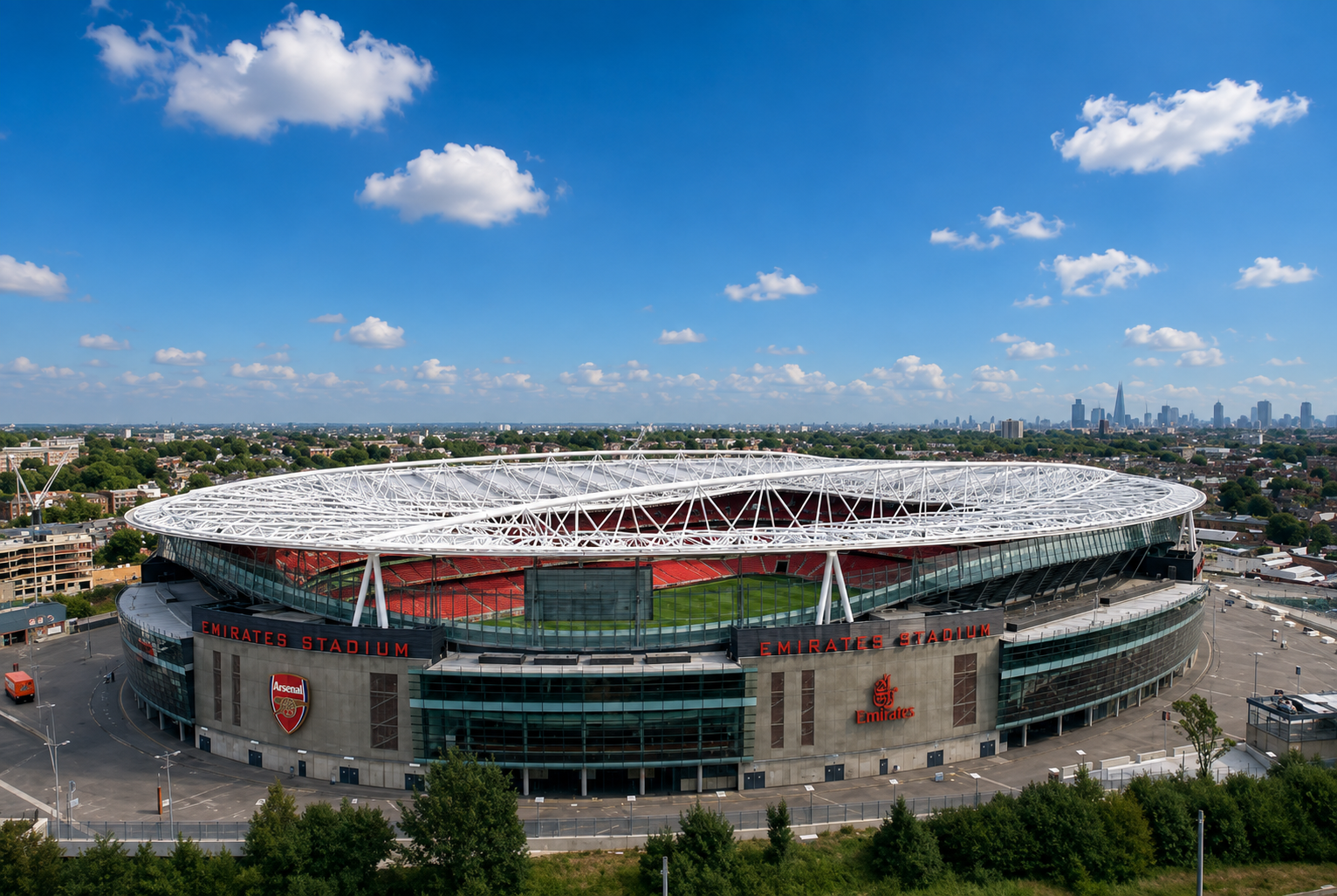
The Emirates Stadium is one of the most recognizable football stadiums in England and the proud home of Arsenal Football Club. Located in North London, the stadium has become an important part of modern English football since replacing Arsenal’s historic Highbury ground. For millions of Arsenal supporters, it is far more than a place where football matches are played; it represents the club’s identity, ambition, and future.
Since opening its doors in 2006, the Emirates Stadium has hosted some of the biggest matches in English and European football. Premier League clashes, Champions League nights, domestic cup matches, international fixtures, and women’s football games have all contributed to its growing history.
The Emirates Stadium is also famous for its modern design, impressive capacity, passionate atmosphere, and strong connection with Arsenal’s global fanbase. Whether someone is visiting for a major match or simply exploring the area as a football fan, the stadium remains one of London’s most important sporting landmarks.
The History Behind the Emirates Stadium
Before the Emirates Stadium was built, Arsenal played at Highbury for many decades. Highbury was a legendary football ground with enormous historical importance, but its limited capacity created challenges as football continued to grow commercially and Arsenal’s supporter base expanded.
The club eventually decided that a new stadium was necessary to accommodate more supporters and generate additional revenue. Building a larger home ground was a major decision because Highbury held a special emotional connection for generations of Arsenal fans.
The move to the Emirates Stadium marked the beginning of a new era. While some supporters initially found it difficult to leave Highbury behind, the new stadium gradually developed its own identity and became an important symbol of Arsenal’s ambitions.
When Did the Emirates Stadium Open?
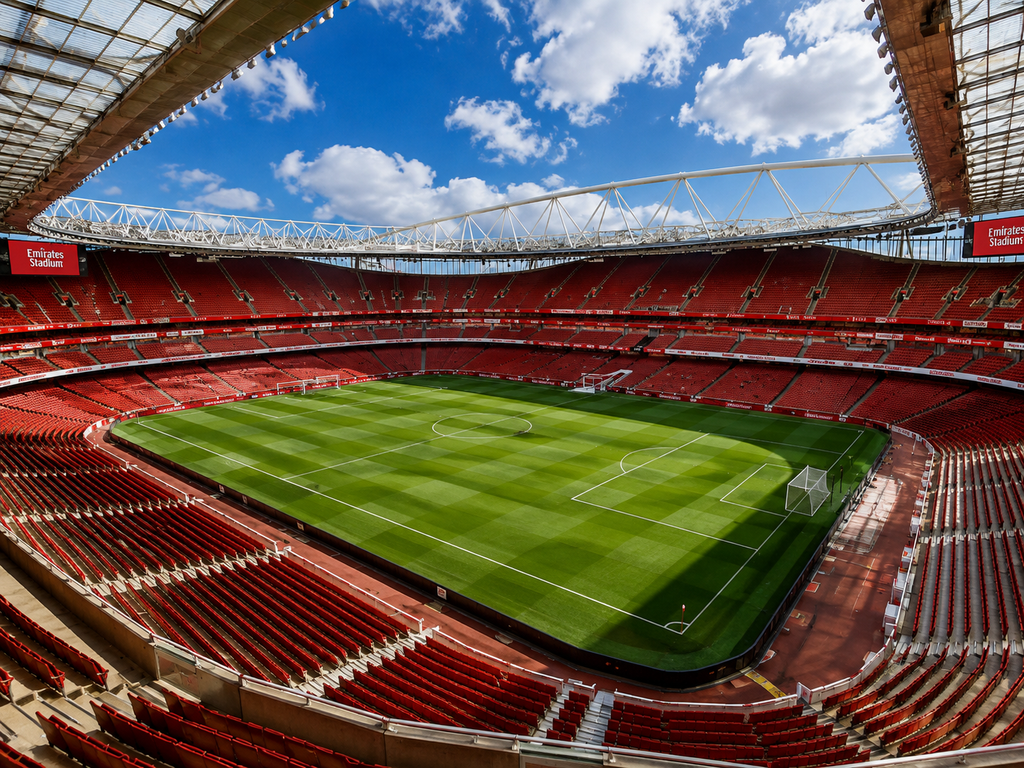
The Emirates Stadium officially opened in 2006 and quickly became one of the largest club football stadiums in England. Its opening represented a major achievement because the project required years of planning, construction, and financial investment.
Arsenal’s decision to move from Highbury was not simply about having a more modern stadium. The club needed additional seating and better commercial opportunities to compete financially with other major European teams.
Over time, the stadium became a familiar setting for some of Arsenal’s most memorable modern matches. A new stadium cannot immediately replace decades of history, but every season has added more stories, important victories, and unforgettable moments to the Emirates Stadium.
Why Arsenal Left Highbury
Highbury was one of the most iconic football grounds in English football. However, its size meant that Arsenal could not accommodate as many supporters as some other major clubs.
Expanding Highbury was difficult because of the surrounding area and the stadium’s location. The club therefore faced a choice between remaining at a historically important but limited ground or building a new stadium designed for the future.
The Emirates Stadium gave Arsenal the opportunity to welcome significantly more supporters on matchdays. The move also created new commercial opportunities that could help the club compete in an increasingly expensive football environment.
The Design of the Emirates Stadium
The Emirates Stadium was designed as a modern football venue with a focus on spectator comfort and visibility. Its bowl-shaped structure allows supporters to have a clear view of the pitch from different areas of the stadium.
One of the most distinctive features is the external design and the large Arsenal-related artwork that has appeared around the stadium. The club has also used the surrounding area to celebrate its history and connect the modern stadium with legendary figures from the past.
Inside, the stadium offers a much more modern experience than traditional football grounds of previous generations. The seating arrangement, hospitality areas, entrances, and facilities were all created with the needs of a large modern football club in mind.
Emirates Stadium Capacity and Matchday Experience
The Emirates Stadium has a capacity of more than 60,000 spectators, making it one of the biggest football stadiums in the United Kingdom. On a major matchday, the area around the ground becomes filled with Arsenal supporters arriving from across London and beyond.
The experience begins well before kick-off. Fans gather around the stadium, visit nearby restaurants and pubs, purchase club merchandise, and discuss team news before making their way inside.
Once the match begins, the atmosphere can become extremely intense, particularly during important Premier League and European fixtures. The noise from tens of thousands of supporters can give Arsenal an important boost when the team is under pressure or pushing for a crucial goal.
The Atmosphere at the Emirates Stadium
The atmosphere at the Emirates Stadium has often been discussed by football fans and journalists. Like any large stadium, the atmosphere can depend heavily on the importance of the match and what is happening on the pitch.
During major rivalries and high-pressure matches, the stadium can become incredibly loud. Arsenal supporters have created memorable atmospheres during title challenges, European nights, and important domestic cup games.
The club and supporters have also worked to strengthen the connection between fans and the team. As Arsenal have become increasingly competitive in recent years, the intensity and energy inside the stadium have become a major part of the matchday experience.
Arsenal’s Most Important Matches at the Emirates Stadium
Over the years, the Emirates Stadium has hosted many memorable Arsenal matches. Important Premier League victories, dramatic late goals, major European nights, and derby encounters have all helped build the stadium’s history.
North London derbies against Tottenham Hotspur are among the fixtures that generate enormous excitement. These matches bring a different level of emotion because the rivalry between Arsenal and Tottenham is one of the biggest in English football.
Matches against Manchester United, Liverpool, Manchester City, and Chelsea also attract huge attention. When the Premier League title race or European qualification is involved, the Emirates Stadium can become the setting for some of the most important matches of the season.
Emirates Stadium and Arsenal’s European Nights
European football has always added a special atmosphere to the Emirates Stadium. Champions League matches bring together supporters from different countries and create a sense of occasion that feels different from a regular league fixture.
Arsenal have faced some of Europe’s biggest clubs at the stadium. These matches have allowed the ground to establish itself as a major European football venue.
For players, performing in front of a packed stadium during a European knockout match can be an unforgettable experience. The pressure is high, every goal feels important, and the support from the crowd can influence the momentum of the game.
The Emirates Stadium and the Arsenal Museum
The stadium experience is not limited to watching a football match. Arsenal’s museum and stadium tour opportunities have made the location a popular destination for visitors interested in the club’s history.
Arsenal has one of the richest histories in English football, and the museum helps connect modern supporters with the players and teams that shaped the club.
Visitors can learn more about legendary managers, famous footballers, trophies, and historic moments. For fans who may never have the opportunity to attend a major match, exploring the Emirates Stadium can still provide a memorable connection to Arsenal.
What Makes an Emirates Stadium Tour Special?
A stadium tour gives football fans the opportunity to see areas that are normally unavailable during a match. Depending on the tour experience, visitors may be able to explore parts of the stadium associated with the players and matchday operations.
Walking through areas such as the players’ tunnel or viewing the pitch from different locations can help visitors understand the scale of the stadium in a different way.
For Arsenal supporters, the experience can feel particularly personal. The Emirates Stadium is a place they regularly see on television, and visiting it in person allows them to experience the club’s home from another perspective.
The Importance of Emirates Stadium to Arsenal’s Growth
The construction of the Emirates Stadium was one of the biggest decisions in Arsenal’s modern history. The financial commitment required for the project affected the club for several years.
During that period, Arsenal had to operate carefully while balancing the costs associated with the new stadium. Some supporters believed that the club’s ability to spend heavily on transfers was affected by the financial responsibilities created by the move.
However, the long-term importance of the stadium has become clearer over time. A large, modern home ground gives Arsenal significant opportunities through ticket sales, commercial partnerships, hospitality, events, and its global brand.
The Stadium’s Role in Arsenal’s Identity
Football stadiums often become deeply connected to a club’s identity. Highbury represented one era of Arsenal, while the Emirates Stadium represents another.
The club has made efforts to ensure that Arsenal’s history remains visible around the stadium. Images and tributes to important figures have helped connect the modern ground with the generations of players and supporters who came before it.
This balance between tradition and modern development is important. Arsenal are one of England’s oldest and most successful football clubs, but they also operate in a football world that demands modern facilities and continued investment.
How to Reach the Emirates Stadium
The Emirates Stadium is located in North London and is well connected through London’s public transport network. Several nearby railway and Underground stations provide access to the stadium area.
On matchdays, supporters often arrive several hours before kick-off because the surrounding streets can become extremely busy. Public transport is generally a popular option for visitors because parking near the stadium can be limited.
For tourists, planning the journey in advance can make the experience more enjoyable. London is a large city, and matchday travel can take longer than expected when thousands of supporters are heading toward the same destination.
The Area Around Emirates Stadium
The neighbourhood around the Emirates Stadium has changed considerably since the ground was built. Matchdays bring a huge number of visitors to the area, creating opportunities for local businesses.
Fans can find places to eat, drink, and buy merchandise before and after matches. The streets surrounding the stadium also become part of the wider football experience.
The location gives supporters the chance to experience more than just ninety minutes of football. For many fans, meeting friends before the match and discussing the game afterwards are important traditions connected to visiting Arsenal’s home.
Emirates Stadium and Women’s Football
The Emirates Stadium has also played an increasingly important role in women’s football. Arsenal Women’s matches at the stadium have attracted large crowds and helped demonstrate the growing popularity of the women’s game.
Hosting women’s fixtures at a major stadium gives players the opportunity to perform in a world-class environment and in front of large audiences.
The growth of women’s football has made these occasions increasingly significant. As more supporters attend matches, the Emirates Stadium continues to represent an important venue for different parts of Arsenal Football Club.
Memorable Players Who Have Played at Emirates Stadium
Many famous footballers have represented Arsenal at the Emirates Stadium. Different generations of players have helped shape the club’s modern history.
The stadium has seen talented attackers, creative midfielders, experienced defenders, and young players making their first steps into senior football. Every season brings new personalities and new stories.
For young footballers, scoring their first goal at the Emirates Stadium or receiving a standing ovation from the crowd can become a career-defining moment. For established stars, performing consistently at Arsenal’s home is part of the responsibility of representing one of England’s biggest clubs.
Why Emirates Stadium Is Important to Football Fans
Even supporters who do not follow Arsenal closely often recognize the Emirates Stadium. Its importance goes beyond one club because it is one of the major venues in English football.
The stadium has hosted domestic competitions, European matches, international events, and major women’s football fixtures. Its location in London also makes it accessible to visitors from around the world.
For football tourists, visiting the Emirates Stadium can be part of a wider journey through London’s sporting culture. The city is home to several famous clubs, but Arsenal’s stadium remains one of the most recognizable destinations.
The Future of Emirates Stadium
As football continues to change, major stadiums must continue to evolve. Supporters increasingly expect improved facilities, technology, accessibility, and matchday experiences.
Arsenal will continue looking for ways to improve the experience for fans while protecting the identity and history associated with the club.
The Emirates Stadium has already become an established part of Arsenal’s story, but its history is still being written. Every new generation of players and supporters adds another chapter to the stadium’s legacy.
Final Thoughts on Emirates Stadium
The Emirates Stadium is much more than Arsenal’s home ground. It represents a major turning point in the club’s modern history and remains one of the most important football venues in London.
From Premier League title battles and North London derbies to European nights and women’s football, the stadium has hosted countless moments that have brought supporters together.
For Arsenal fans, the Emirates Stadium represents hope, passion, history, and ambition. For visitors, it offers an opportunity to experience one of English football’s most famous venues. As Arsenal continues to build for the future, the Emirates Stadium will remain at the center of the club’s journey.