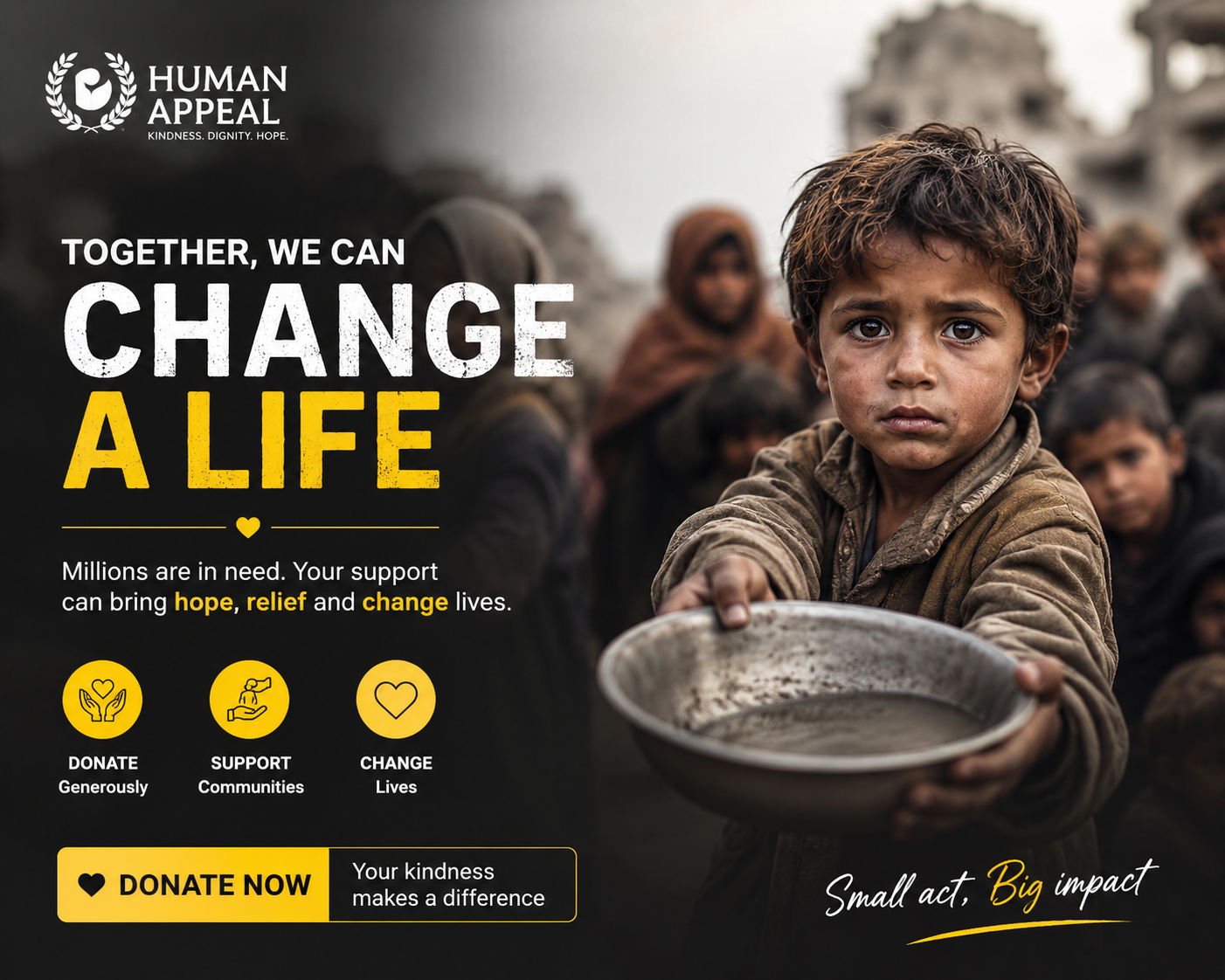
Human appeal is a powerful idea that focuses on the needs, emotions, dignity, and experiences that connect people. When individuals see others facing hardship, they often feel motivated to help, donate, volunteer, or simply understand what is happening around them. This basic sense of compassion is what gives the concept of human appeal its lasting importance.
The term can also refer to Human Appeal, an international humanitarian organization that works to support people affected by poverty, conflict, disasters, food insecurity, and other difficult circumstances. Over the years, the organization has become associated with humanitarian assistance, development projects, emergency responses, and community support.
Understanding human appeal means looking beyond statistics. Behind every number is a person, a family, or a community with real needs and hopes for a better future. This article explores the meaning of human appeal, the work associated with Human Human Appeal, its major areas of support, and why humanitarian organizations continue to play an important role in the modern world.
What Is Human Appeal?
Human appeal can broadly describe the emotional connection that encourages people to care about the wellbeing of others. It is based on compassion, empathy, kindness, and the understanding that difficult circumstances can affect anyone.
When people respond to a humanitarian crisis, they are often influenced by stories that make a situation feel personal. A statistic may tell us how many people need assistance, but a personal story can help us understand what those people are actually experiencing.
This emotional connection can encourage meaningful action. People may decide to donate money, provide essential supplies, volunteer their time, or support long-term development programs because they feel connected to a cause.
What Is Human Appeal the Organization?
Human Appeal is a humanitarian organization that works with communities affected by poverty, disasters, conflict, and other challenges. Its work focuses on providing assistance while also supporting longer-term development.
The organization operates through humanitarian and development programs designed to address different needs. These can include food assistance, clean water, healthcare, education, livelihoods, emergency support, and seasonal giving programs.
Like many international charities, Human Appeal’s work involves responding to immediate emergencies while also considering the underlying challenges that can keep communities trapped in poverty.
The Importance of Humanitarian Organizations
Humanitarian organizations can become particularly important when communities face circumstances that overwhelm local resources. Natural disasters, conflict, displacement, and extreme poverty can create urgent needs that require coordinated assistance.
Organizations working in humanitarian settings may provide essential supplies and services to people who have limited access to them. Depending on the situation, assistance can include food, shelter, water, healthcare, sanitation, and financial support.
Their role is not limited to emergency situations. Development programs can also help communities build greater stability, improve access to education, strengthen livelihoods, and become more resilient to future challenges.
Human Appeal and Emergency Relief
Emergency relief is one of the most visible areas of humanitarian work. When a crisis occurs, people may suddenly lose access to food, clean water, shelter, medical care, or other necessities.
Humanitarian organizations can respond by providing immediate assistance to affected communities. The exact response depends on the circumstances, the scale of the emergency, and the needs identified on the ground.
Emergency support is especially important during the early stages of a crisis. However, recovery can take much longer. Communities may continue needing assistance even after media attention has moved elsewhere, which is why sustained humanitarian programs are often necessary.
Food Assistance and Hunger Relief
Food insecurity is one of the major challenges addressed by humanitarian organizations around the world. Families facing poverty may struggle to afford enough nutritious food, particularly during periods of conflict, economic instability, or natural disasters.
Food assistance can help families meet immediate nutritional needs. Programs may involve food parcels, prepared meals, cash assistance, or other forms of support depending on local conditions.
Long-term solutions are equally important. Helping people develop reliable sources of income, improve agricultural opportunities, or gain access to sustainable livelihoods can reduce dependence on emergency food assistance over time.
Clean Water and Sanitation
Access to clean water is fundamental to human health and dignity. Yet millions of people around the world still face challenges accessing safe drinking water and adequate sanitation.
Humanitarian water programs can include water wells, distribution systems, purification solutions, sanitation facilities, and hygiene education. These projects can have a direct impact on communities where water infrastructure is limited.
Clean water also affects education and economic opportunity. When families have easier access to safe water, children may spend less time collecting it, while communities can reduce the risks associated with unsafe water sources.
Healthcare and Medical Support
Healthcare is another important part of humanitarian assistance. People living in vulnerable communities may face barriers to medical treatment because of poverty, conflict, displacement, or a lack of nearby healthcare facilities.
Humanitarian healthcare programs can support clinics, medical services, maternal care, emergency treatment, and health education. The exact type of assistance depends on the needs of each community.
Healthcare support can also be especially important during emergencies. Conflict and disasters can damage hospitals and disrupt normal healthcare systems, leaving vulnerable populations in need of additional support.
Education and Children’s Welfare
Education can provide children with opportunities that extend far beyond the classroom. It can help young people develop skills, confidence, and knowledge that may improve their future prospects.
Humanitarian organizations can support education by helping provide learning materials, safe educational spaces, teacher support, scholarships, or other forms of assistance.
Education becomes particularly important during humanitarian crises because children affected by displacement or poverty may otherwise lose access to schooling. Supporting education can help protect a sense of stability during difficult periods.
Supporting Orphans and Vulnerable Children
Children who lose parental support or grow up in extremely difficult circumstances can face significant challenges. Humanitarian programs may provide assistance designed to support their basic needs and wellbeing.
Support for vulnerable children can include financial assistance, education, healthcare, food, clothing, and other essential services. The goal is not simply to provide short-term help but to give children a stronger opportunity to develop safely.
Child-focused humanitarian work also requires sensitivity. Children’s dignity, safety, privacy, and best interests should remain central to any program designed to support them.
Ramadan and Seasonal Giving
Seasonal giving is an important part of charitable activity, particularly during Ramadan. Many people choose this period to increase their charitable contributions and support families experiencing hardship.
Programs during Ramadan can include food parcels, hot meals, cash assistance, and other forms of support. These initiatives can help families manage increased financial pressure during an important period of the year.
Seasonal programs also demonstrate how charitable giving can bring communities together. Donors contribute resources while humanitarian organizations work to deliver assistance to people who need it.
Qurbani and Eid Support
Qurbani is another important form of charitable giving for many Muslims. During Eid al-Adha, people who are able to perform Qurbani may choose to share meat with families who cannot easily afford it.
Organizations involved in humanitarian work can coordinate Qurbani programs in communities experiencing poverty. This can help distribute food to families during a significant religious occasion.
The broader principle behind Qurbani assistance is sharing. It provides an opportunity for people to extend generosity beyond their immediate families and support communities facing economic hardship.
How Donations Can Make a Difference
Charitable donations can support both emergency assistance and longer-term programs. Even relatively small contributions can become meaningful when combined with donations from many people.
The impact of a donation depends on how an organization uses its resources and what type of program it supports. Food assistance may address an immediate need, while a livelihood or education project may contribute to longer-term improvements.
For donors, understanding where money goes can be important. Reputable charities generally provide information about their programs, financial practices, and the communities they serve so supporters can make informed decisions.
The Importance of Transparency in Charity
Transparency is an essential part of building trust between charities and donors. People who contribute money naturally want to understand how their donations are being used.
Good humanitarian organizations should communicate clearly about their programs, goals, fundraising activities, and financial management. Independent oversight and appropriate reporting can also help strengthen accountability.
Donors should take time to research an organization before contributing. Looking at official information, financial reports, charity registrations where applicable, and independent evaluations can help people make responsible decisions.
Human Appeal and Long-Term Development
Humanitarian assistance is not only about responding to emergencies. Long-term development can help communities become more resilient and reduce the causes of vulnerability.
Development programs may focus on livelihoods, education, healthcare, water infrastructure, agriculture, or vocational training. These projects can create opportunities that continue producing benefits after an initial donation has been used.
The combination of emergency relief and development is important because communities rarely recover from serious crises overnight. Sustainable progress requires time, planning, local involvement, and continued investment.
Why Human Appeal Matters Today
The world continues to experience humanitarian challenges caused by conflict, poverty, climate-related disasters, displacement, food insecurity, and economic instability.
These challenges can affect people who have very little ability to protect themselves from sudden changes. A family may lose its home, income, or access to basic services because of circumstances outside its control.
Human appeal matters because it reminds people that humanitarian problems are not simply statistics. They involve individuals with families, ambitions, fears, and hopes. Compassion can encourage practical action when it is combined with responsible and effective assistance.
How People Can Support Humanitarian Causes
There are many ways to support humanitarian causes beyond making financial donations. People can volunteer, raise awareness, organize community fundraisers, support responsible campaigns, or contribute professional skills.
Sharing accurate information can also be useful. Humanitarian crises are often misunderstood, particularly when information spreads quickly through social media.
The most effective support is informed support. People should research organizations carefully, understand the purpose of their donations, and choose causes that align with their values and priorities.
Final Thoughts
Human appeal is ultimately about recognizing the shared humanity that connects people across borders, cultures, and circumstances. It encourages compassion and turns concern into action.
Human Appeal, as a humanitarian organization, represents one example of how organized charitable work can support communities facing poverty, emergencies, food insecurity, limited healthcare, and other challenges. Its work highlights the importance of both immediate assistance and long-term development.
For anyone interested in supporting humanitarian causes, the most important steps are to stay informed, choose reputable organizations, and understand how donations can create meaningful impact. Whether through emergency relief, education, clean water, healthcare, food assistance, or livelihood programs, responsible humanitarian action can help people move from crisis toward greater stability and opportunity.
You May Read More
7 Amazing Things About Harry Kane Wife You Didn’t Know
Jude Bellingham Girlfriend: A Look at the Football Star’s Dating Life and Personal World