Paddle tennis is a fun, competitive, and increasingly popular racket sport that combines quick reactions, smart positioning, and plenty of energy. Although many people confuse paddle tennis with tennis, padel, or pickleball, it has its own identity, rules, and style of play. The smaller court and fast-paced rallies make paddle tennis an exciting option for players of different ages and skill levels.
Australian Men’s Cricket Team vs England Cricket Team Match Scorecard
One of the biggest reasons behind the growing interest in paddle tennis is accessibility. Players do not need to master every technical skill of traditional tennis before enjoying a competitive match. The equipment is relatively simple, the court is smaller, and rallies can become exciting very quickly.
Whether you are completely new to racket sports or already have experience playing tennis, understanding the basics of paddle tennis can help you enjoy the game even more. This guide covers the history, rules, equipment, court setup, playing techniques, and reasons why the sport continues to attract new players.
The History and Development of Paddle Tennis
Paddle tennis has a long and interesting history. The game was originally developed as a variation of tennis, with the aim of making the sport easier to play in smaller spaces. Over time, it developed its own rules, equipment, and competitive culture.
The smaller playing area became one of the defining features of paddle tennis. Unlike traditional tennis, players do not need access to a large court to enjoy the game. This helped the sport become popular in communities, clubs, schools, and recreational facilities where space could be limited.
As racket sports continued to evolve, paddle tennis also gained attention from players looking for a fast and social alternative to traditional tennis. Today, the sport is played recreationally and competitively, with dedicated players continuing to promote its growth.
Understanding the Paddle Tennis Court
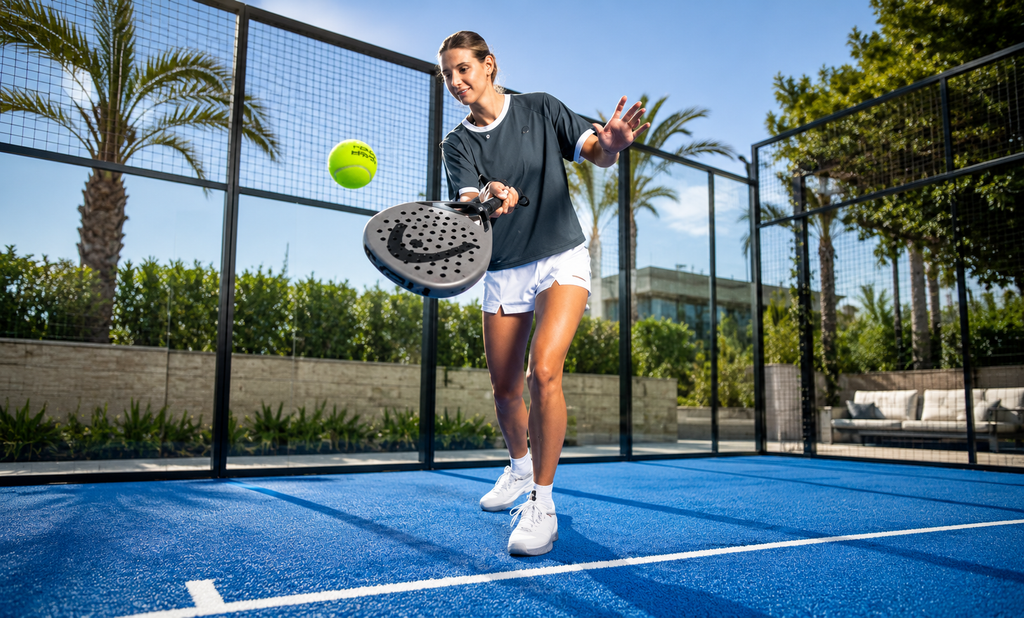
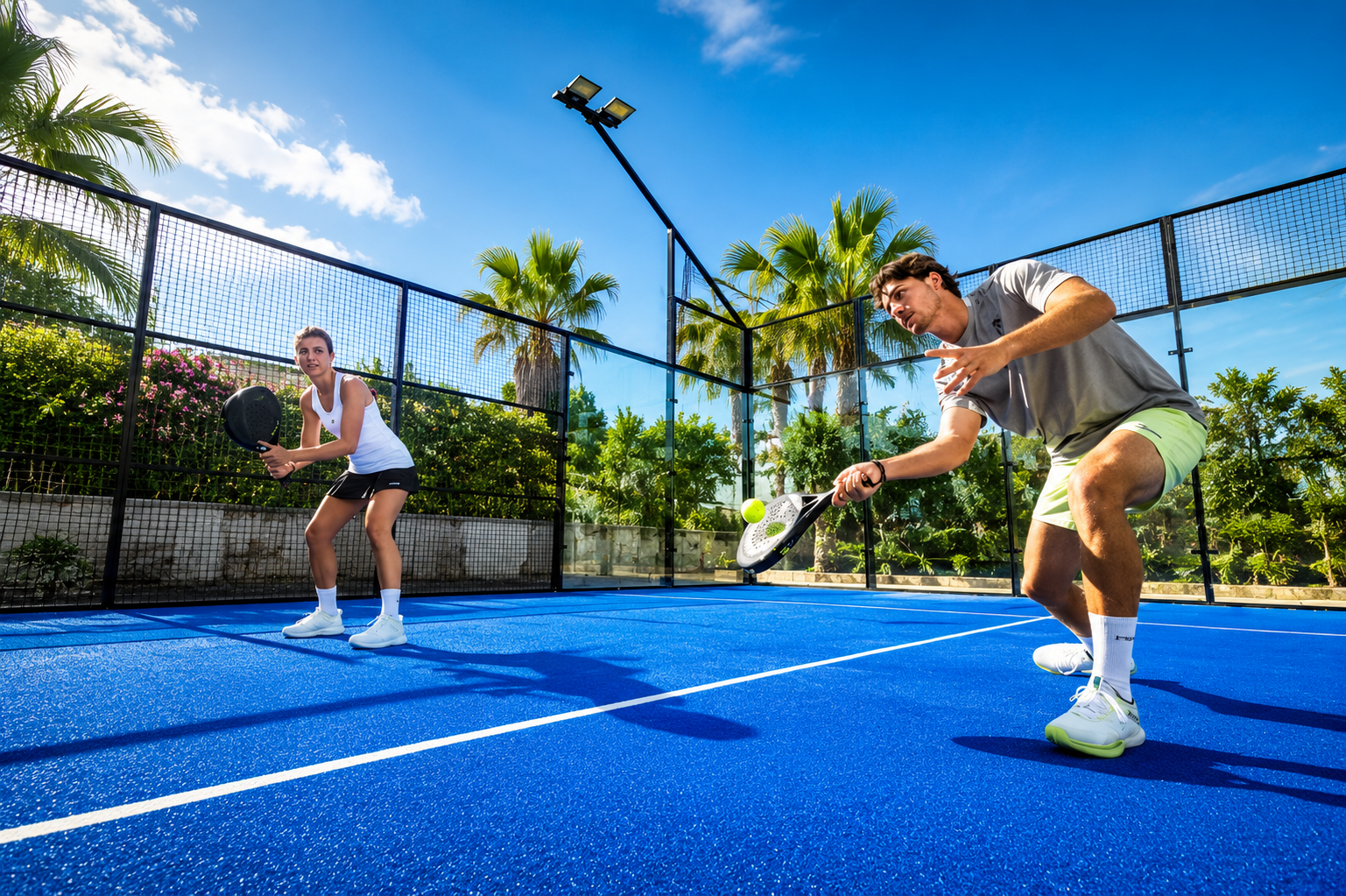
A paddle tennis court is smaller than a standard tennis court, which immediately changes the way the game feels. Players have less ground to cover, but the shorter distances often result in faster exchanges and less time to react.
The court is divided by a net, and the basic objective remains familiar to anyone who has played tennis. Players must hit the ball over the net and keep it within the correct boundaries while trying to make it difficult for their opponents to return.
Because of the compact court, positioning becomes extremely important. A player who understands where to stand can often gain an advantage over someone who simply relies on powerful shots. Quick movement, anticipation, and teamwork are especially valuable during doubles matches.
Paddle Tennis Equipment You Need
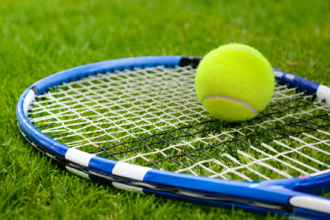
The equipment used in paddle tennis is one of the major differences between this sport and traditional tennis. Players use a solid paddle rather than a strung tennis racket. The paddle is generally easier to control, especially for beginners who are still developing their technique.
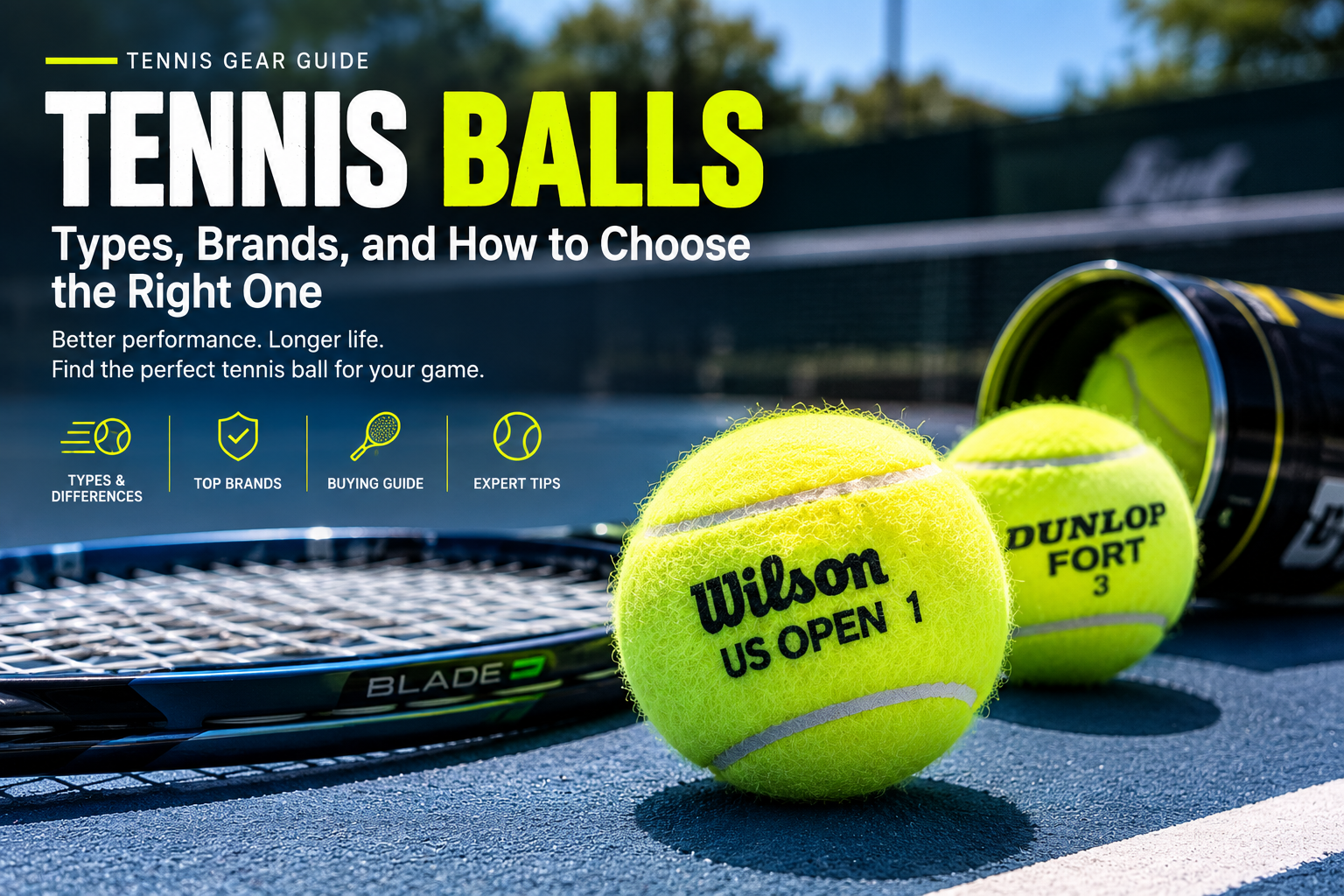
The ball used in paddle tennis may look similar to a tennis ball, although the exact equipment can depend on the version and official rules being followed. Using the correct ball is important because it affects the speed, bounce, and overall rhythm of the game.
Comfortable sports clothing and suitable court shoes are also recommended. Since paddle tennis involves quick movements, sudden changes in direction, and frequent rallies, players should wear footwear that provides good grip and support.
How the Basic Rules of Paddle Tennis Work
The basic concept of paddle tennis is easy to understand. Players hit the ball back and forth over the net, aiming to keep the ball in play while forcing their opponents into mistakes.
A point can be won when the opposing player fails to return the ball correctly, hits it outside the designated area, or allows the ball to bounce in a way that ends the rally according to the rules being used.
Scoring in paddle tennis can follow a format similar to traditional tennis, depending on the specific version of the game. Before playing competitively, it is always useful to check the rules used by the club, tournament, or organisation hosting the match.
The simplicity of the basic rules makes paddle tennis approachable for beginners. However, as players gain experience, they quickly discover that the sport involves much more than simply hitting the ball hard.
Why Paddle Tennis Is So Fast and Exciting
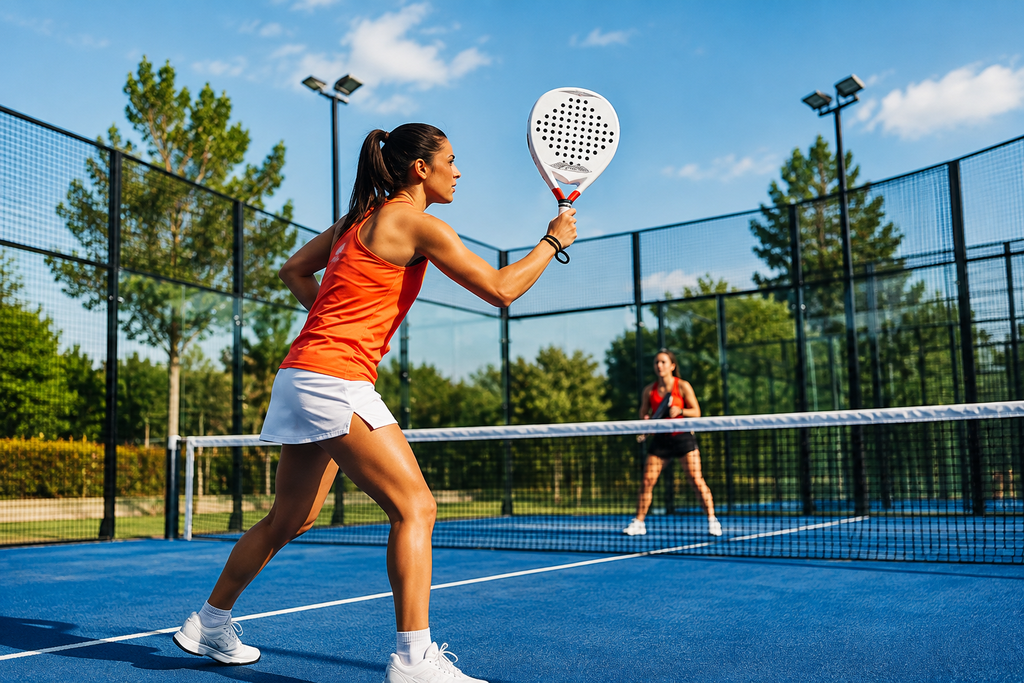
One of the first things new players notice about paddle tennis is the pace. Because the court is smaller, rallies can develop quickly, and players often have very little time to prepare for the next shot.
This creates an exciting challenge. A powerful shot is useful, but fast reactions and intelligent placement can be even more valuable. Players need to stay focused throughout every rally because a single slow reaction can change the outcome of a point.
The fast nature of paddle tennis also makes it enjoyable for spectators. Points can include quick exchanges, clever angles, defensive recoveries, and unexpected changes in momentum.
As a result, the sport offers a strong combination of physical activity and tactical thinking.
Essential Paddle Tennis Skills for Beginners
For beginners, control should usually come before power. Trying to hit every ball as hard as possible can lead to unnecessary mistakes. Learning how to direct the ball accurately is a much better starting point.
Footwork is another essential skill. Even though the court is smaller, players still need to move efficiently. Small adjustment steps can help players reach the ball in a balanced position and produce more controlled shots.
Beginners should also learn to watch their opponents. Instead of focusing only on hitting the ball, smart players pay attention to where their opponents are standing. A well-placed shot into open space can often be more effective than a powerful shot directly at an opponent.
With regular practice, these basic skills can make a major difference.
Singles and Doubles in Paddle Tennis
Paddle tennis can be played in different formats, including singles and doubles. Singles matches require players to cover the court independently, making movement and endurance especially important.
Doubles, however, add another level of strategy. Communication becomes essential because both players need to understand who will take each shot. Poor positioning or hesitation can leave large areas of the court exposed.
A successful doubles team usually works together rather than playing as two separate individuals. Players should move, defend, and attack with awareness of their partner’s position.
For many people, doubles is also one of the most enjoyable parts of paddle tennis because it combines competition with a strong social element.
The Importance of Strategy in Paddle Tennis
Paddle tennis is not simply about hitting the ball harder than your opponent. Strategy can have a huge influence on the result of a match.
One useful approach is to focus on consistency. If an opponent is making mistakes, there may be no need to attempt risky shots. Keeping the ball in play and applying controlled pressure can be enough to win points.
Shot placement is another important part of the game. Hitting into open areas can force opponents to move and create opportunities for the next shot.
Players can also change the pace of a rally. Instead of playing every shot with the same speed, mixing controlled shots with more aggressive attacks can make it harder for opponents to predict what is coming next.
The best paddle tennis players usually combine technique with intelligent decision-making.
Fitness Benefits of Playing Paddle Tennis
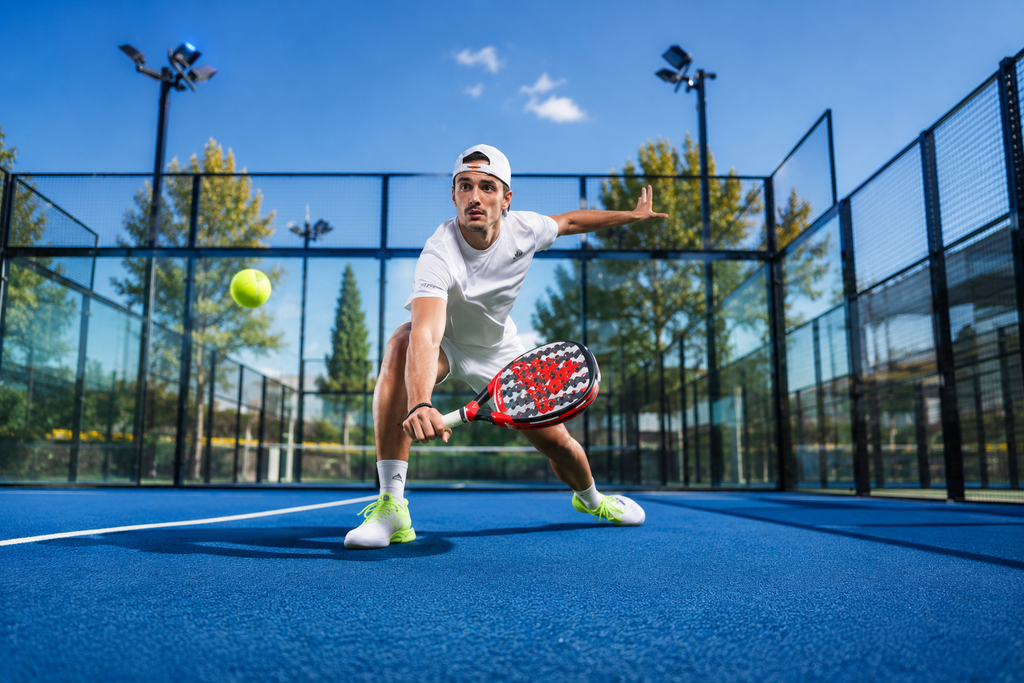
Playing paddle tennis can provide an enjoyable full-body workout. The constant movement helps improve cardiovascular fitness, while repeated changes of direction can develop agility and coordination.
The sport also requires good hand-eye coordination. Players must judge the speed, direction, and bounce of the ball while preparing their own shot. Regular play can help improve reaction time and movement awareness.
Another advantage is that exercise does not always feel like a traditional workout. Players are focused on the match, the rally, and the competition, which can make physical activity feel more enjoyable.
Of course, like any sport, players should warm up properly and avoid pushing themselves beyond their limits. Good preparation and suitable equipment can help reduce the risk of injury.
Paddle Tennis Compared With Other Racket Sports
Paddle tennis is often compared with tennis, pickleball, and padel because all of these sports involve a racket or paddle, a net, and a ball. However, the differences between them are important.
Traditional tennis is generally played on a much larger court and uses a strung racket. This gives players more space to cover and creates a different style of movement and shot-making.
Pickleball also uses a paddle, but its court, ball, and rules create a completely different playing experience. Padel, meanwhile, is another distinct sport with its own court design and use of surrounding walls.
Understanding these differences is important, especially for new players. While the sports share some basic ideas, paddle tennis has its own equipment, techniques, rules, and playing culture.
How Beginners Can Improve Quickly
The fastest way to improve at paddle tennis is to focus on the fundamentals. Players should spend time practising basic shots, serves, positioning, and movement before attempting advanced techniques.
Playing regularly is also important. Match experience teaches players how to handle pressure, react to different opponents, and make better decisions during fast rallies.
Beginners can also learn by playing with more experienced people. Watching how skilled players position themselves and control the pace of a point can provide valuable lessons.
However, improvement should not come at the cost of enjoyment. Paddle tennis is a competitive sport, but it is also meant to be fun. Players who enjoy the process are more likely to continue practising and developing their skills.
Why Paddle Tennis Continues to Attract New Players
The appeal of paddle tennis comes from its combination of simplicity and challenge. New players can understand the basics relatively quickly, but the game still offers plenty of depth for those who want to improve.
The smaller court also creates a more active and engaging experience. Players are constantly involved in the action, and rallies can become intense within seconds.
Another important factor is the social side of the sport. Friends, families, colleagues, and club members can all enjoy playing together. Doubles matches, in particular, create opportunities for teamwork and friendly competition.
As more people look for enjoyable ways to stay active, paddle tennis has the potential to continue attracting players from a wide range of sporting backgrounds.
Final Thoughts on Paddle Tennis
Paddle tennis is an exciting racket sport that rewards quick thinking, good positioning, consistent technique, and teamwork. Its smaller court and fast-paced rallies create a different experience from traditional tennis while still offering familiar elements that make it easy for new players to understand.
For beginners, the best approach is to start with the basics. Focus on controlling the ball, moving efficiently, and learning how to position yourself during rallies. As your confidence grows, you can begin experimenting with different shots and strategies.
Whether you play for fitness, competition, or simply to enjoy time with friends, paddle tennis offers plenty of reasons to step onto the court. The sport is easy to enjoy, challenging to master, and capable of providing an exciting experience every time you play.
If you are looking for a racket sport that combines speed, strategy, fitness, and fun, paddle tennis is definitely worth trying.