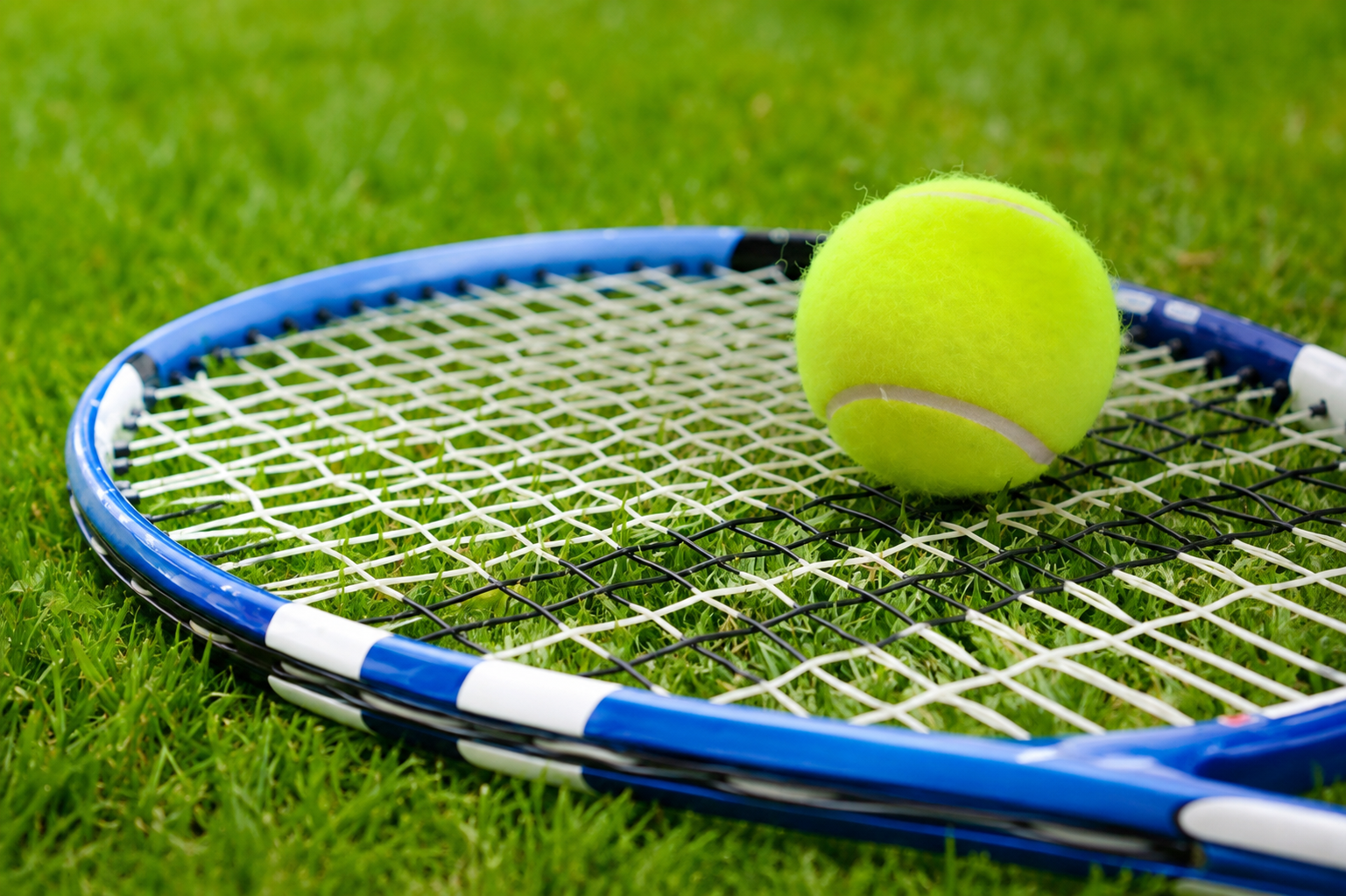
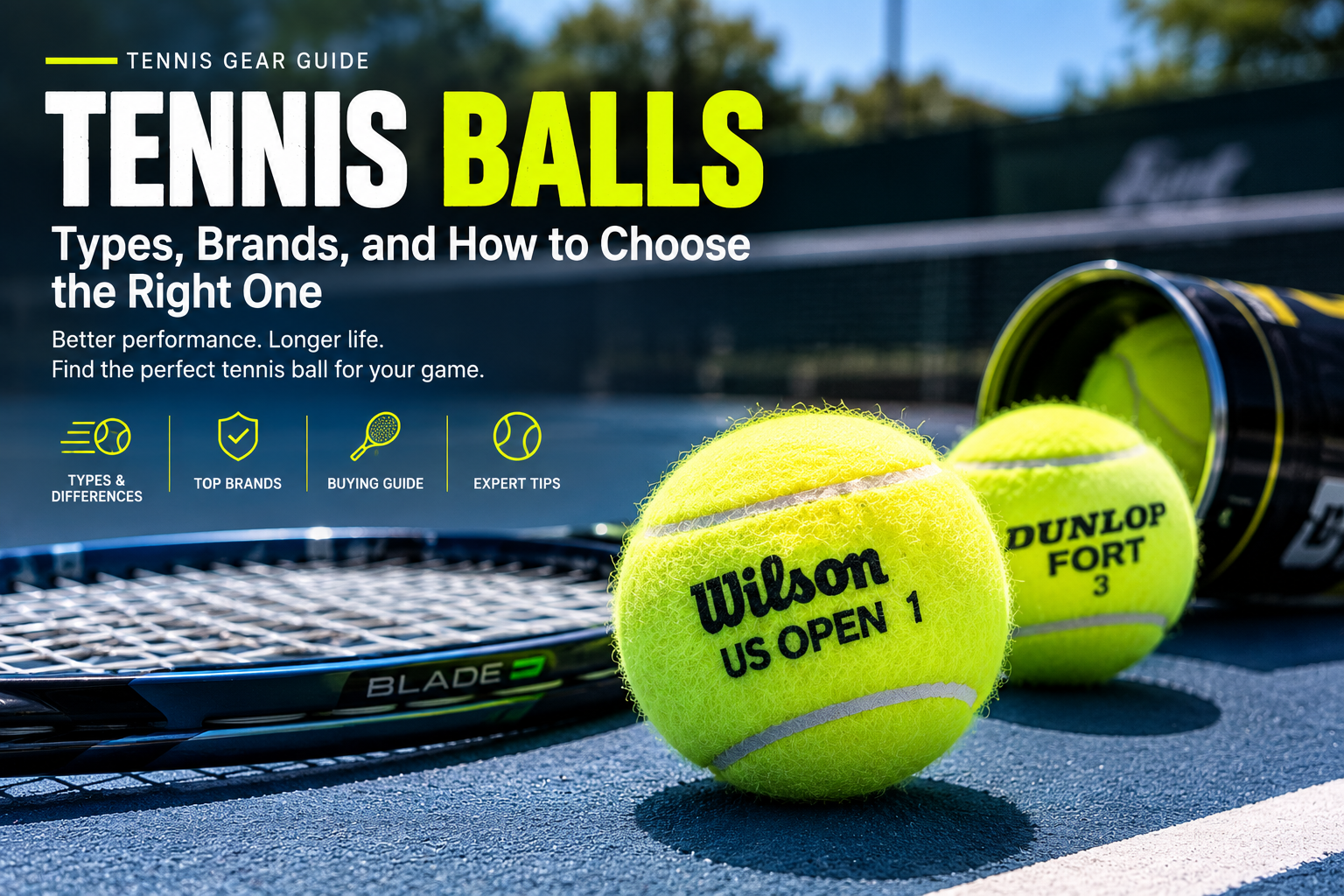
When people think about tennis equipment, rackets usually get most of the attention. But tennis balls are just as important to the quality of a match. Their weight, bounce, pressure, felt, and construction can all affect how a player serves, returns, and controls a rally.
FIFA World Cup Brackets: 7 Complete Guide to the Tournament Knockout Format
Whether you are a beginner, a recreational player, or someone who plays tennis regularly, understanding how tennis balls work can help you choose the right type and get more from every session.
1. Tennis Balls Are Designed for Consistent Performance
A tennis ball may look simple, but it is carefully manufactured to provide a predictable bounce and flight. The materials and construction are selected to make the ball respond consistently when it is hit with a racket or lands on the court.
Most standard balls have a rubber core surrounded by a woven felt covering. The rubber provides the main structure and bounce, while the felt influences the ball’s movement through the air and its interaction with the racket.
Consistency is especially important in competitive tennis. Players need to know that the ball will behave predictably throughout a match so they can time their shots properly.
2. There Are Different Types of Tennis Balls
Not all tennis balls are made for exactly the same purpose. Players can choose from different types depending on their experience, training requirements, and playing environment.
The most common categories include pressurized balls, pressureless balls, and low-compression balls. Each has its own advantages and is suited to different situations.
| Type | Best For | Main Benefit |
| Pressurized | Matches and regular play | Lively bounce and feel |
| Pressureless | Training and practice | Long-lasting performance |
| Low-compression | Beginners and juniors | Slower, easier play |
Choosing the right type can make a noticeable difference, particularly for players who are still learning proper technique.
3. Pressurized Tennis Balls Offer a Lively Feel
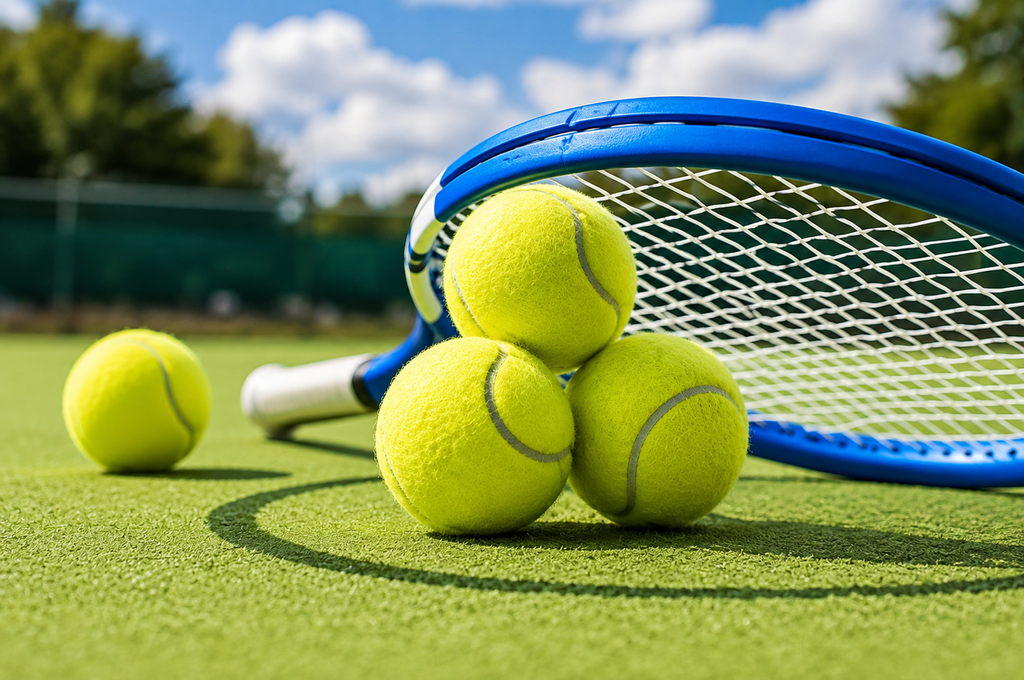
Pressurized balls are among the most commonly used options in competitive tennis. They contain internal pressure that contributes to their lively bounce and responsive feel.
Fresh balls usually feel energetic when they come off the racket. This makes them popular with players who want quick reactions and a familiar match experience.
The main disadvantage is that their performance can decline over time. As the internal pressure gradually decreases, the ball may feel softer and lose some of its original bounce.
4. Pressureless Tennis Balls Are Highly Durable
Pressureless balls work differently from traditional pressurized options. Their performance depends primarily on the rubber construction rather than internal air pressure.
One of their biggest advantages is durability. They can remain useful for a long period, which makes them particularly popular for training, recreational play, and tennis ball machines.
However, they may feel different from fresh pressurized balls. Serious players who compete regularly may therefore prefer pressurized balls when preparing for matches.
5. The Felt Cover Has an Important Role
The fuzzy felt covering on a tennis ball is more than just an outer layer. It plays an important role in the ball’s aerodynamics, speed, and interaction with the racket.
When the felt is fresh, it can provide a particular level of grip and response. This can help players generate spin and control their shots.
As the ball is repeatedly hit, the felt becomes worn. A heavily used ball may therefore move differently from a new one, even if there is no obvious damage to its rubber core.
6. Tennis Balls Gradually Lose Their Bounce
One of the clearest signs of an old tennis ball is reduced bounce. This is particularly noticeable with pressurized balls.
Over time, pressurized balls gradually lose some of their internal pressure. Repeated impacts also put stress on the rubber and felt, eventually changing how the ball performs.
Some common signs of a worn ball include:
- Reduced bounce
- Softer feel
- Flattened or damaged felt
- Lower speed
- Less predictable movement
- Reduced responsiveness
Players who want consistent performance should replace balls when these changes become noticeable.
7. Playing Conditions Can Change Ball Performance
The environment can have a significant effect on how a tennis ball behaves. Court surface, temperature, humidity, and altitude can all influence the pace and bounce of play.
Hard courts, clay courts, and grass courts each have different characteristics. A ball may therefore feel slightly different depending on the surface being used.
Altitude can also matter. At higher elevations, thinner air can affect how quickly the ball travels. Temperature can influence its feel and overall performance as well.
| Condition | Possible Effect |
| Hard court | Firm and predictable bounce |
| Clay court | More interaction with the surface |
| Grass court | Generally faster play |
| High altitude | Faster ball flight |
| Cold weather | Can affect ball feel |
| Hot weather | May influence performance |
Understanding these conditions can help players select balls that are appropriate for their environment.
8. Beginners Can Benefit From Low-Compression Balls
Standard tennis balls can sometimes move too quickly for someone who is just learning the sport. Beginners need enough time to move into position, prepare their racket, and develop proper technique.
Low-compression balls are designed to travel more slowly and provide a more manageable bounce. This gives new players additional time to react and focus on their strokes.
They can also be useful for junior players. A slower ball can make tennis more enjoyable while helping young players develop confidence and fundamental skills.
As their technique improves, players can gradually transition toward standard balls.
9. Proper Storage Can Help Maintain Ball Quality
Storage is often overlooked, but it can be important when buying tennis balls in advance. Unused pressurized balls should generally remain in their original sealed containers until they are needed.
Extreme temperatures and direct sunlight are not ideal for sports equipment. Keeping unopened balls in a cool, dry place can help protect them from unnecessary environmental stress.
Once a container has been opened, the balls will naturally begin to change as they are used. Keeping them clean and dry can still help maintain their condition.
| Do | Avoid |
| Keep unopened balls sealed | Opening cans unnecessarily |
| Store them in a cool place | Extreme heat |
| Keep them dry | Excessive moisture |
| Avoid direct sunlight | Long sun exposure |
| Replace badly worn balls | Using damaged balls for important matches |
How to Choose the Right Tennis Balls
The best ball depends on your playing level, purpose, and environment. A competitive player may prioritize a lively pressurized ball, while someone who spends most of their time training may prefer durability.
Beginners should consider whether a low-compression ball would make learning easier. Players who use ball machines may also benefit from pressureless options because they are designed to withstand frequent use.
Before buying, consider these factors:
- Your playing level
- Court surface
- Match or practice use
- Desired durability
- Ball pressure
- Playing conditions
- Age and skill level
A little research before buying can prevent you from choosing a ball that doesn’t suit your style of play.
How Long Do Tennis Balls Last?
There is no universal lifespan for a set of balls. How long they last depends on how often they are used, the type of ball, and the intensity of play.
A recreational player who plays occasionally may keep a set for several sessions. Someone who trains frequently can wear out balls much faster.
Instead of relying only on a specific number of hours, look at the ball’s condition. Reduced bounce, worn felt, and a noticeably softer feel are good indications that replacement may be necessary.
Can You Practice With Old Tennis Balls?
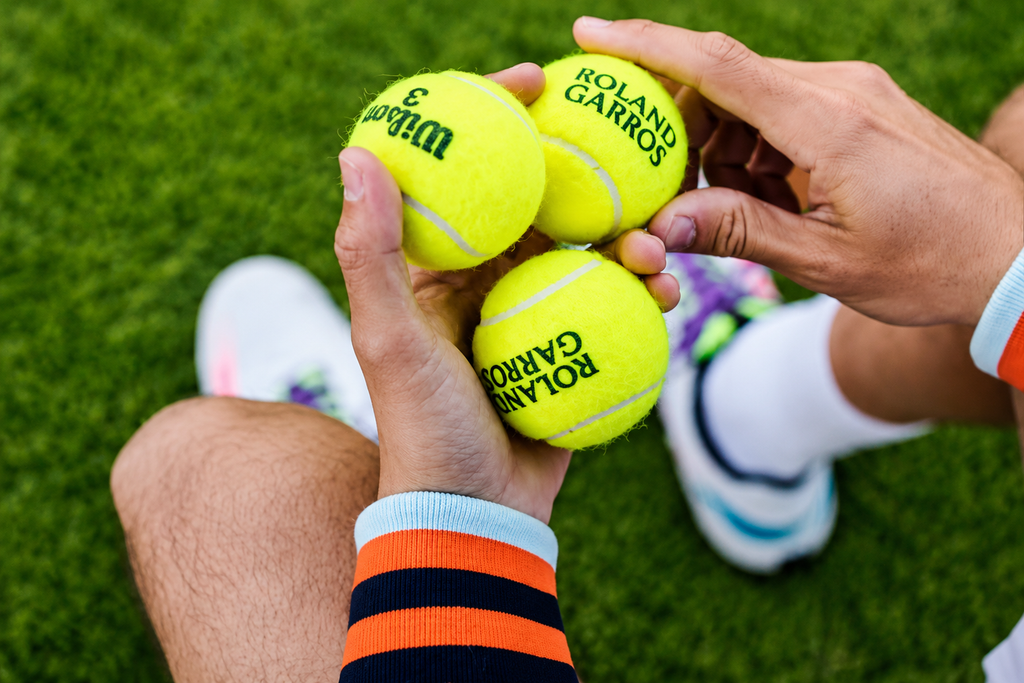
Yes, old balls can still be useful for many types of practice. They can be used for casual rallies, basic drills, and exercises where perfectly consistent bounce isn’t essential.
They are also useful for activities outside traditional tennis practice. However, players preparing for an important match should ideally train with balls that have characteristics similar to the ones they expect to use during competition.
This helps players become familiar with the speed, bounce, and feel of their match equipment.
Frequently Asked Questions
What Are Tennis Balls Made Of?
Most standard tennis balls are made with a rubber core covered by a woven felt exterior. These materials work together to produce the required bounce, speed, and flight characteristics.
How Many Tennis Balls Are Usually in a Can?
A standard can commonly contains three balls, although packaging can vary depending on the manufacturer and product.
Why Do Tennis Balls Lose Their Bounce?
Pressurized balls gradually lose internal pressure over time. Repeated impacts and wear can also affect the rubber and felt, eventually reducing performance.
Are Pressureless Tennis Balls Good?
They can be an excellent choice for training and recreational use because of their durability. However, they may feel different from the pressurized balls commonly used in competitive matches.
Are Low-Compression Balls Good for Beginners?
Yes. Their slower pace and more manageable bounce can give beginners additional time to prepare their shots and learn proper technique.
When Should Tennis Balls Be Replaced?
They should generally be replaced when their bounce, felt condition, speed, or overall feel has noticeably deteriorated.
Final Thoughts
The humble tennis ball has a much bigger impact on the game than many beginners realize. Its rubber core, felt covering, pressure, and construction all influence how it behaves on the court.
Understanding the differences between pressurized, pressureless, and low-compression options makes it easier to choose the right equipment. By considering your skill level, playing conditions, and intended use, you can select tennis balls that provide a more consistent and enjoyable experience.
Whether you are learning the basics, practicing regularly, or preparing for competition, the right ball can make every session feel better.







One Comment