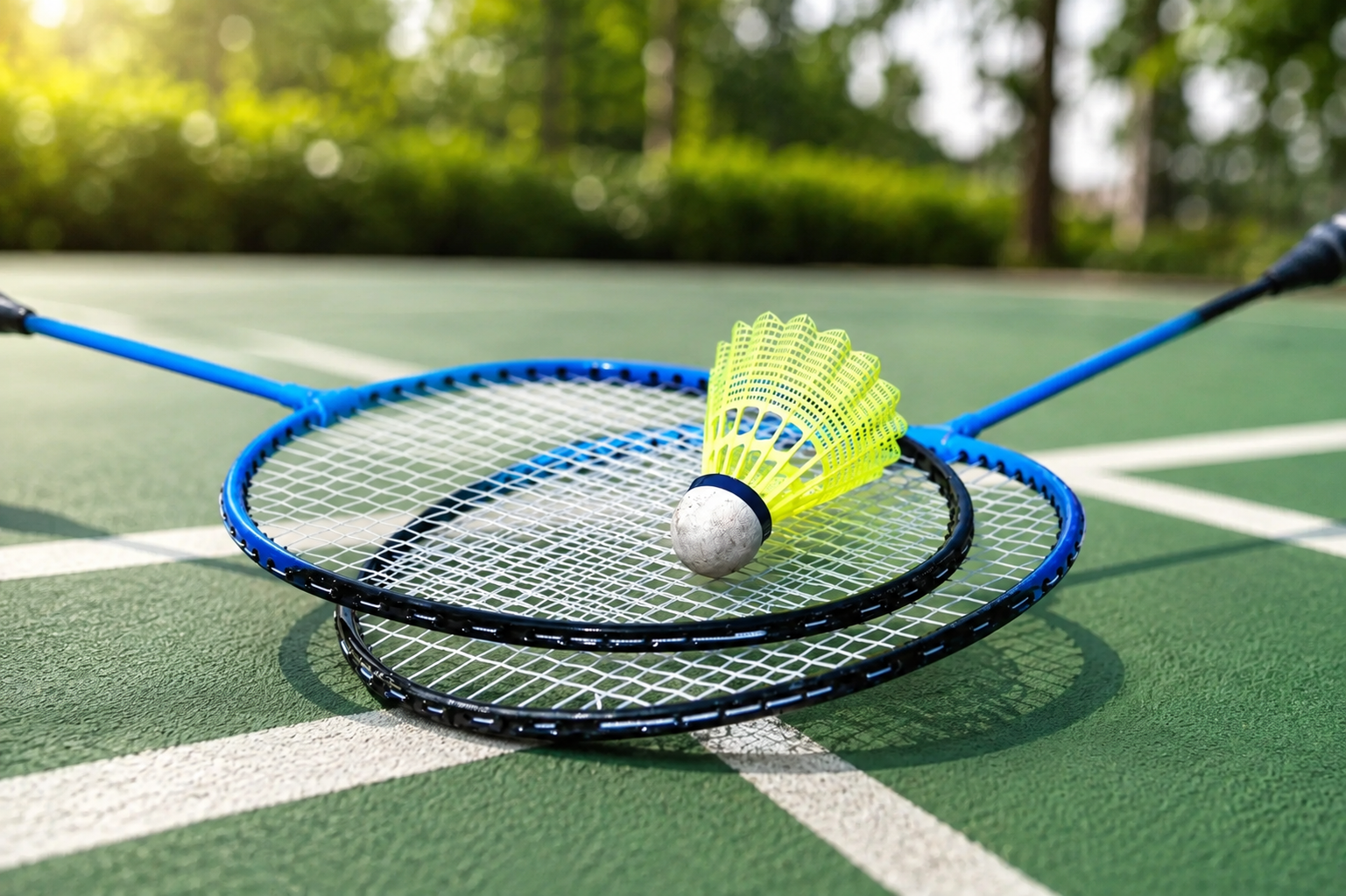
Choosing the right badminton racket can make a noticeable difference in your game. Whether you are buying your first racket, replacing an old one, or upgrading for better performance, the right choice depends on more than just appearance or price.
Tennis Balls: 9 Essential Facts for Better Play
Different rackets are designed for different playing styles, skill levels, weights, balance points, and levels of control. A beginner may need a lightweight and easy-to-handle option, while an experienced attacking player might prefer something designed to generate more power.
In this guide, we will look at 7 powerful tips that can help you choose a badminton racket that matches your playing style, experience, and budget.
1. Understand Your Playing Style
badminton racket : The first thing to consider when choosing a badminton racket is your playing style. Every player approaches the game differently. Some players enjoy powerful smashes and aggressive attacks, while others prefer quick defensive shots, precise placement, and long rallies.
If you are an attacking player, a racket with a head-heavy balance can provide additional power during smashes and clears. The extra weight toward the racket head can help generate momentum when hitting the shuttlecock.
On the other hand, defensive and fast-paced players may prefer a head-light racket. These rackets are generally easier to move quickly, making them useful for fast reactions, drives, net shots, and defensive play.
| Playing Style | Recommended Balance | Main Advantage |
| Attacking | Head-heavy | More power |
| All-round | Even balance | Balanced control and power |
| Defensive | Head-light | Faster handling |
| Doubles | Head-light / Even | Quick reactions |
Before buying, think about how you normally play. Your natural style should influence your racket selection more than a popular brand or attractive design.
2. Pay Attention to Racket Weight
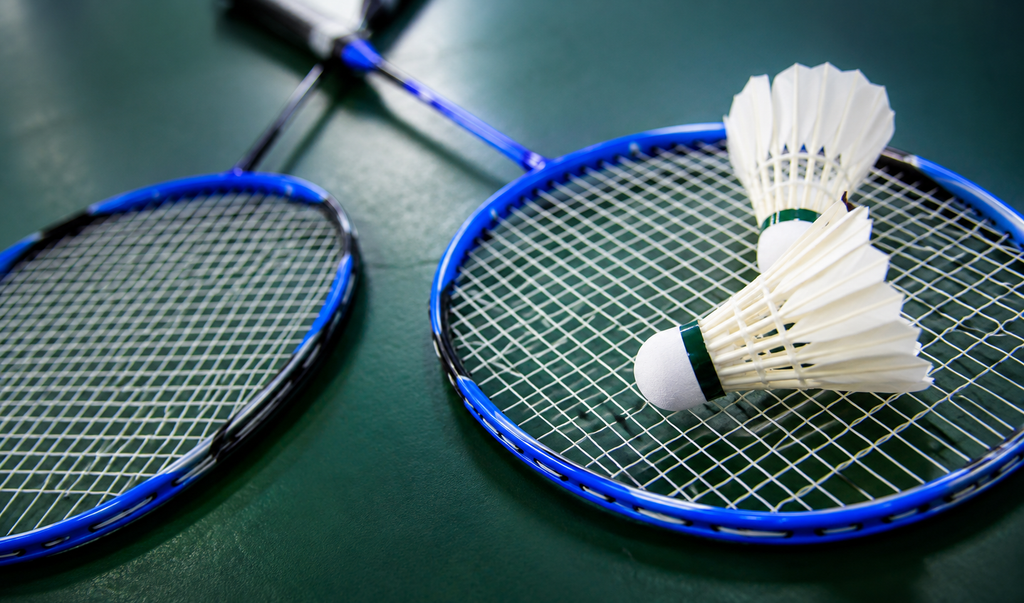
Weight is one of the most important factors when selecting a badminton racket. A racket that feels too heavy can make it difficult to react quickly, while an extremely light racket may not provide the power some players need.
Lightweight Badminton Racket are often suitable for beginners and players who value speed and maneuverability. They can also be useful during doubles matches, where players frequently need to react to fast shots.
Medium-weight Badminton Racket can offer a good compromise between power and control. More experienced players may choose heavier models because they can produce greater momentum, especially during attacking shots.
However, heavier does not automatically mean better. The best badminton racket is one that you can comfortably control throughout an entire match without excessive wrist or arm fatigue.
3. Choose the Right Racket Balance
Badminton rackets are commonly divided into three balance categories: head-heavy, even-balance, and head-light.
A head-heavy racket has more weight toward the racket head. This design can help attacking players generate power, particularly on smashes and deep clears. It can be a good choice for singles players who rely heavily on offensive shots.
An even-balance racket sits between power and speed. It provides a versatile combination of maneuverability and stability, making it a popular choice for players who want an all-round setup.
A head-light racket places less weight toward the head. This allows quicker movement and can make rapid defensive exchanges easier. It is particularly useful for players who prioritize speed, drives, and quick net play.
4. Check the Shaft Flexibility
Shaft flexibility is another factor that should not be ignored. Rackets are available with flexible, medium-flex, and stiff shafts, and each option can feel different during play.
A flexible shaft can help players who do not naturally generate a lot of racket-head speed. It provides more assistance during the swing and can be comfortable for beginners or recreational players.
A medium-flex shaft offers a balance between power and control. It can work well for intermediate players who have developed reasonable technique but still want some flexibility.
Stiff shafts are generally preferred by advanced players with faster and more precise swings. They can provide a direct feel and excellent control, but they may be less forgiving if your technique is not developed.
| Shaft Type | Suitable For | General Feel |
| Flexible | Beginners | Easier power |
| Medium-flex | Intermediate | Balanced |
| Stiff | Advanced | Direct and precise |
Your skill level should therefore play a major role when deciding how stiff your racket shaft should be.
5. Select a Comfortable Grip Size
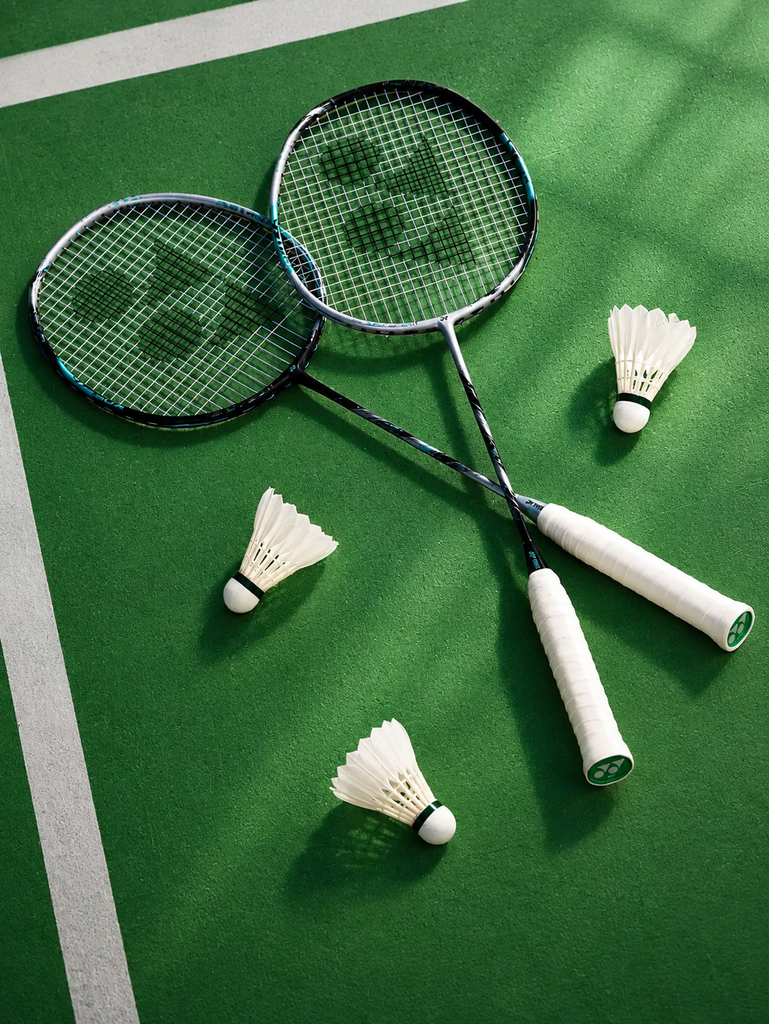
Grip size is easy to overlook, but it can have a significant effect on comfort and racket control. If the grip is too large, changing your grip quickly can become difficult. If it is too small, you may find yourself squeezing the racket too tightly.
A comfortable grip should allow your fingers and wrist to move naturally. You should be able to hold the racket securely without constantly applying excessive pressure.
Many players also customize their grip using replacement grips or overgrips. This means you do not necessarily have to rely entirely on the original grip size supplied with the racket.
If possible, hold the badminton racket before purchasing it. A few seconds of testing can tell you whether the handle feels comfortable in your hand.
6. Consider the Racket Material and Build Quality
The material used in a racket can affect its weight, durability, feel, and performance. Modern performance rackets are commonly made using lightweight materials such as carbon fiber and graphite composites.
Graphite-based construction is popular because it allows manufacturers to create lightweight rackets while maintaining strength and stiffness. This makes such rackets suitable for players who want a combination of performance and maneuverability.
More affordable rackets may use materials such as aluminum or steel. These can be perfectly suitable for beginners, casual players, or people who only play occasionally.
Instead of choosing a racket simply because it uses an expensive material, consider the overall construction, quality, durability, and whether its specifications match your playing needs.
7. Set a Budget Before Buying
Price is another important consideration when choosing a badminton racket. Rackets can range from affordable beginner options to premium models designed for competitive players.
If you are new to badminton, there is usually no need to purchase the most expensive racket available. A reasonably priced model with a suitable weight, balance, and shaft can provide everything you need while you develop your technique.
Intermediate players may want to invest more in a racket that offers improved feel, consistency, and durability. Advanced players who compete regularly may have more specific requirements and may benefit from premium equipment.
| Player Level | General Priority |
| Beginner | Comfort and easy handling |
| Intermediate | Balance and versatility |
| Advanced | Precision and performance |
| Competitive | Specific specifications and playing style |
Remember that a higher price does not automatically make a racket suitable for you. The best purchase is one that fits your ability and playing style.
Badminton Racket Weight Guide
When comparing different models, you may notice weight categories such as 3U, 4U, or 5U. These specifications are commonly used to describe racket weight.
A heavier racket can provide stability and power, while a lighter racket can offer faster movement. The ideal choice depends on your technique, physical comfort, and preferred style.
For beginners, a lighter badminton racket can often be easier to control. As your technique improves, you can experiment with different weights to determine which setup gives you the best combination of power and speed.
Do not choose a racket simply because another player uses the same weight. What works for one player may not feel comfortable for another.
Badminton Racket for Beginners
Beginners should generally prioritize comfort, maneuverability, and control instead of trying to maximize power immediately.
A lightweight or moderately weighted racket with a flexible or medium-flex shaft can be easier to handle while learning basic strokes. An even-balance racket can also provide a versatile setup for players who are still discovering their preferred style.
As you improve your footwork, timing, and technique, you can start experimenting with head-heavy or stiffer rackets if your playing style requires them.
The most important thing is to choose equipment that makes learning enjoyable rather than making the game unnecessarily difficult.
Badminton Racket for Advanced Players
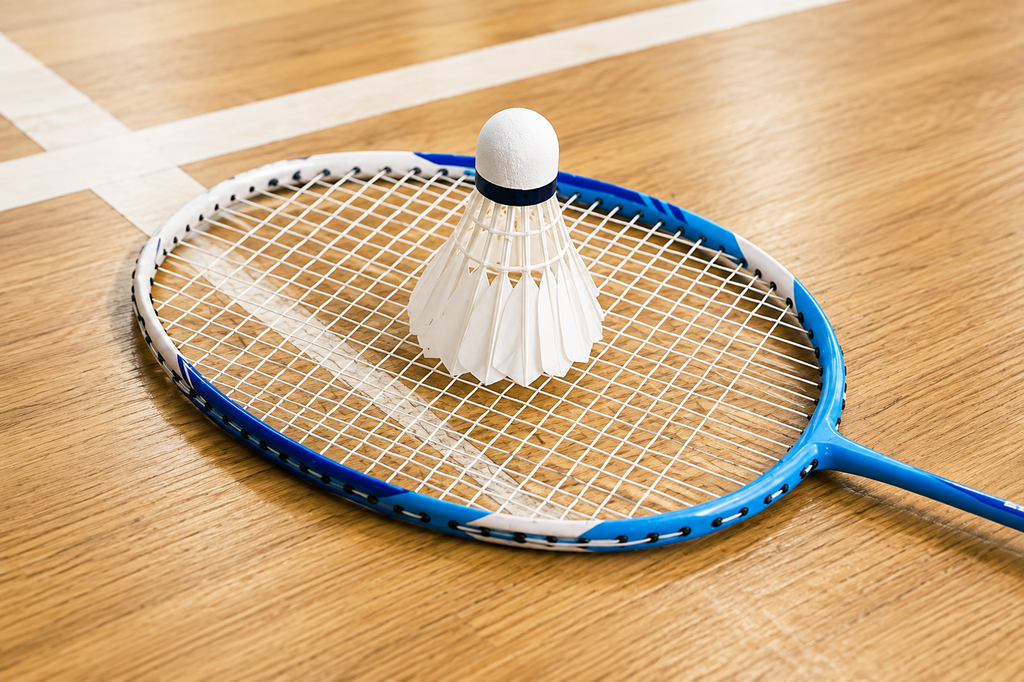
Advanced players usually have a much clearer understanding of their strengths and weaknesses. This makes it easier to select a racket based on specific performance requirements.
An aggressive singles player might prefer a head-heavy racket with a stiffer shaft for powerful attacking shots. A fast doubles player, meanwhile, may prioritize a head-light design for quicker exchanges.
Advanced players should also pay attention to string tension, grip setup, racket balance, and overall feel. Small differences can become more noticeable as technique and consistency improve.
Common Mistakes to Avoid When Buying a Racket
One common mistake is choosing a racket purely because it looks good. While appearance is a personal preference, it should not be the main factor behind your decision.
Another mistake is buying an extremely expensive model before understanding your playing style. Expensive equipment cannot replace good technique, footwork, timing, and practice.
Players should also avoid selecting a racket that is too heavy for their current ability. If you struggle to move it quickly or experience fatigue during play, a lighter option may be more suitable.
How to Maintain Your Badminton Racket
Once you have selected the right racket, proper maintenance can help extend its useful life. Avoid leaving it in extremely hot environments, such as a car exposed to direct sunlight.
Keep the racket protected when travelling and avoid unnecessary impacts against the floor, net posts, or other objects. Inspect the frame and strings regularly for visible damage.
It is also a good idea to replace worn grips when they become slippery. A fresh grip can improve comfort and help you maintain better control during long matches.
Final Thoughts
Choosing the right badminton racket does not have to be complicated. The most important factors are your playing style, racket weight, balance, shaft flexibility, grip size, construction, and budget.
Beginners should generally focus on comfort and easy handling, while intermediate and advanced players can choose more specialized specifications according to their technique.
There is no single racket that is perfect for every player. The right choice is the one that feels comfortable in your hand, complements your style, and helps you play with greater confidence.
By following these 7 powerful tips, you can narrow down your options and make a smarter decision the next time you are shopping for a badminton racket.